
How Big Is the MEMS Semiconductor Market in 2026? Unit Volumes, Device Types and Global Applications Breakdown
MEMS semiconductor technology merges microscopic mechanical elements with electronic circuits on a single chip creating tiny yet powerful systems that sense, control, and actuate in response to their environment.
These devices appear in smartphones for motion detection, vehicles for stability control, and medical tools for precise monitoring, demonstrating how small-scale engineering delivers outsized impacts across daily life.
Core Technology Foundations Building Modern MEMS
The technology relies on semiconductor fabrication methods adapted for mechanical structures. Silicon wafers undergo processes like photolithography, etching, and deposition to form movable parts such as cantilevers, diaphragms, or resonators alongside integrated circuits. This combination allows for batch production of complex sensors and actuators at microscopic scales, often measured in micrometers.
Government and research labs, including Sandia National Laboratories, have advanced MEMS for specialized needs, pushing boundaries in reliability for demanding conditions while commercial entities scaled production for consumer volumes.
Overview Table of Common MEMS Device Types
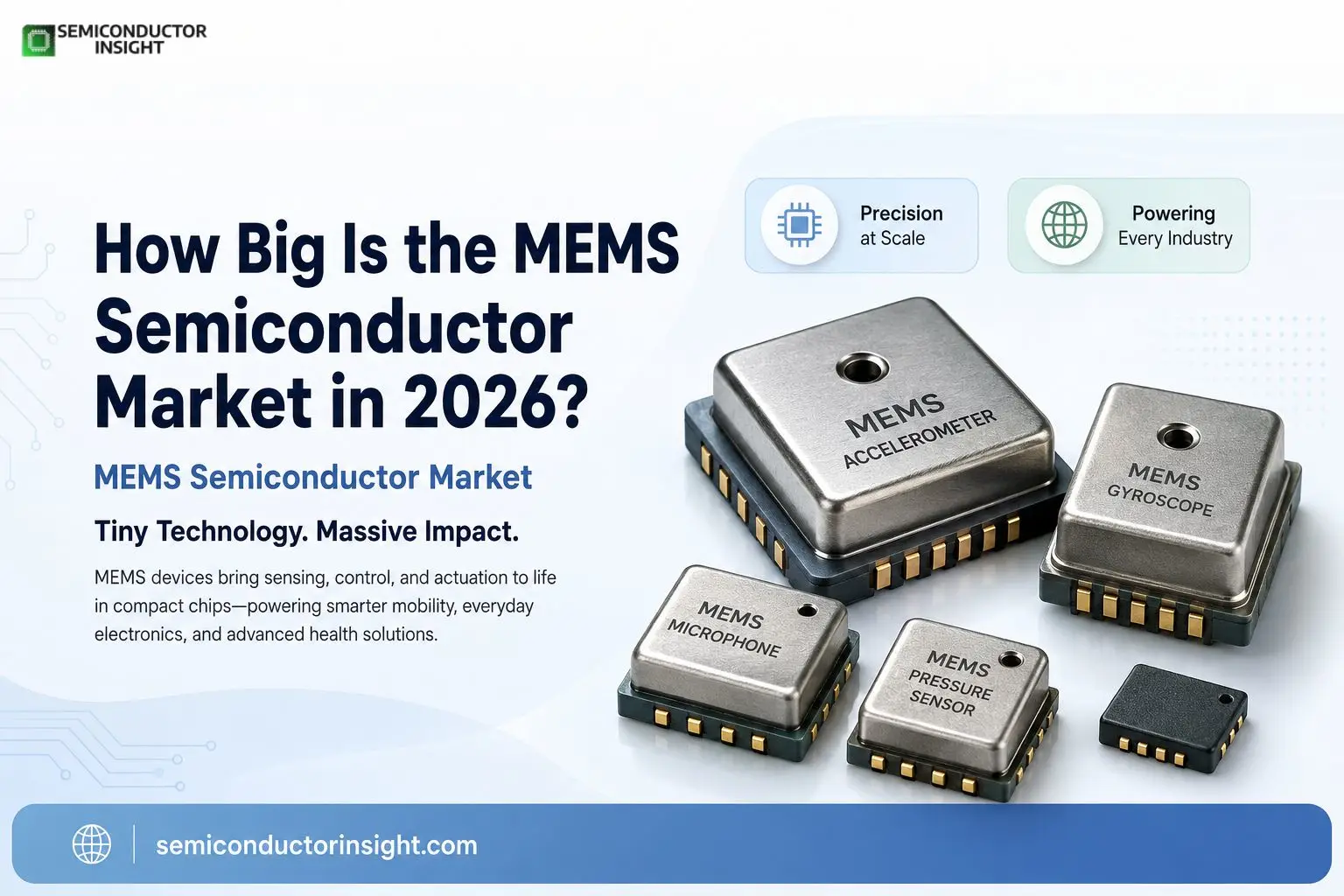
Micro-scale sensing devices are designed to deliver highly precise responses within compact packages, making them essential in modern electronics. Accelerometers are used for motion and tilt detection and are typically built with polysilicon or silicon, often in micrometer-thick structures.
Gyroscopes measure angular rate and commonly use single-crystal silicon with vibratory mechanisms, while pressure sensors monitor environmental pressure through silicon diaphragms and thin membranes. Microphones convert sound into electrical signals using capacitive or piezoelectric materials, usually in the form of miniature diaphragms. Together, these structures enable accurate sensing performance in very small device formats.
What Are the Lead Times and Availability Trends for MEMS Precision Timing Products?
MEMS precision timing products, including oscillators and resonators, offer major advantages in lead times thanks to their programmable silicon-based design. Unlike traditional quartz components that need custom cutting for each frequency, MEMS devices are manufactured on standard wafers and programmed electrically at the final stage. This enables much faster response to customer demand.
Leading suppliers report typical lead times of 4-12 weeks for volume orders, with many standard parts available in as little as 48 hours to 5 business days. Programmability supports over 150 billion configurations from base inventory, reducing the long waits common with quartz during supply shortages.
- Rapid prototyping with desktop programming tools.
- Better resilience to semiconductor industry fluctuations.
- Strong availability for automotive, 5G, and data center applications in 2025-2026.
Overall, MEMS timing solutions deliver shorter, more predictable lead times and improved supply chain flexibility compared to conventional alternatives.
Simplified MEMS Production Sequence
Wafer preparation and cleaning → Layer deposition and patterning → Structural etching for mechanical elements → Integration of electronics → Release of movable parts → Sealing and packaging → Functional testing and calibration. Each stage includes quality checkpoints with potential feedback loops for process optimization, branching for different device types like inertial versus optical MEMS.
Volume Insights from Production Records
Official and corporate disclosures provide context on scale. One leading producer, STMicroelectronics, has shipped more than 20 billion micro-electromechanical sensors, highlighting the cumulative output supporting consumer electronics and beyond. Earlier industry snapshots noted around 4 million wafers processed in recent years for MEMS-specific fabrication, underscoring the specialized yet substantial manufacturing footprint.
These numbers reflect high-volume runs for components in millions of units annually across automotive safety systems and portable devices.
Consumer Electronics Integration in Daily Tools
Smartphones and wearables use MEMS for orientation, step counting, and audio capture. Gyroscopes enable smooth image stabilization in cameras while accelerometers support gesture controls. This miniaturization allows slim designs without sacrificing functionality, with billions of units embedded in global device shipments over the past decade. Innovations continue in hearables and smartwatches where space constraints demand efficient sensing.
- Gesture Recognition: Devices interpret hand movements through multi-axis sensors.
- Environmental Awareness: Pressure sensors adjust for altitude changes in navigation apps.
- Audio Clarity: MEMS microphones deliver noise suppression in crowded settings.
- Health Tracking: Inertial sensors monitor activity patterns accurately over long periods.
Lastly, for more in-depth information, don’t forget to read our most recent exclusive report: https://semiconductorinsight.com/report/mems-semiconductor-market/
Broader Industrial and Specialized Uses
Beyond consumer and auto sectors, MEMS serve in industrial monitoring for vibration analysis and process control. Optical MEMS enable projection systems and switches in communications infrastructure. These applications benefit from the technology’s durability and low power needs, fitting remote or harsh environments.
The MEMS semiconductor approach continues evolving through refined fabrication that balances complexity with manufacturability. From wafer-level production yielding billions of functional units to targeted deployments in safety systems and health tools, it exemplifies how precise micro-engineering addresses macro-scale challenges effectively. Global adoption across sectors reflects sustained relevance as devices grow smarter and more interconnected.

Comments (0)