MARKET INSIGHTS
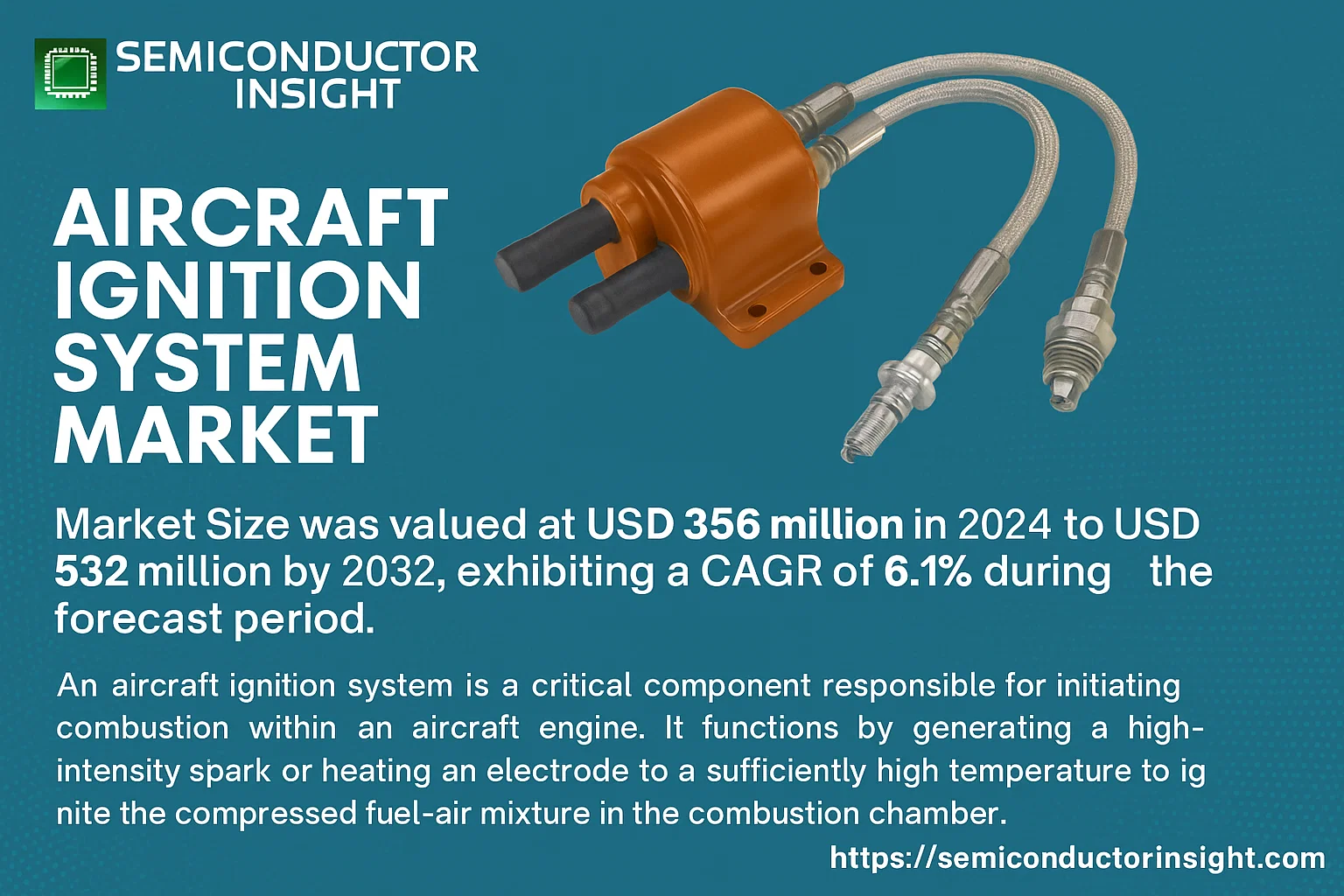
Global Aircraft Ignition System Market size was valued at USD 356 million in 2024 to USD 532 million by 2032, exhibiting a CAGR of 6.1% during the forecast period.
An aircraft ignition system is a critical component responsible for initiating combustion within an aircraft engine. It functions by generating a high-intensity spark or heating an electrode to a sufficiently high temperature to ignite the compressed fuel-air mixture in the combustion chamber. This process is fundamental for starting and sustaining engine operation across various aircraft types, including commercial airliners, business jets, and general aviation aircraft. The primary types of systems include electronic ignition systems and magneto ignition systems.
The market growth is primarily driven by the increasing global demand for new aircraft deliveries, coupled with the need for fleet modernization and upgrades. Furthermore, stringent aviation safety regulations mandating reliable engine performance are compelling manufacturers to innovate and enhance ignition system technologies. The rising adoption of Unmanned Aerial Vehicles (UAVs) for commercial and defense applications also presents a significant growth avenue. Key industry players such as Woodward, TransDigm, and Meggitt are actively engaged in developing advanced, more efficient, and durable ignition solutions to cater to evolving industry requirements.
MARKET DRIVERS
Increasing Global Demand for New Aircraft
The sustained growth in global air travel passenger traffic is a primary driver for the Aircraft Ignition System Market. Airlines are expanding their fleets to meet this demand, leading to significant orders for new commercial aircraft, which in turn drives the demand for new, advanced ignition systems. Furthermore, the modernization of military aircraft fleets by various governments contributes to steady demand in the defense segment.
Technological Advancements and Reliability Requirements
There is a strong market push towards ignition systems that offer enhanced reliability, durability, and performance under extreme conditions. Manufacturers are developing solid-state ignition systems and advanced electronic igniters that provide more precise spark timing, improved fuel efficiency, and reduced emissions. The need for systems that require less maintenance and offer longer service intervals is a key factor driving innovation and adoption.
The stringent regulatory landscape, including emissions standards set by bodies like the International Civil Aviation Organization (ICAO), compels engine manufacturers to adopt more efficient combustion technologies. Modern high-performance ignition systems are critical to achieving these environmental goals, making them a necessary component in next-generation aircraft engines.
MARKET CHALLENGES
High Certification and Compliance Costs
The Aircraft Ignition System Market is heavily regulated, requiring stringent certification from aviation authorities like the FAA and EASA. The process of testing, validating, and certifying new or modified ignition systems is time-consuming and extremely expensive. These high barriers to entry can stifle innovation and limit the number of new competitors in the market.
Other Challenges
Supply Chain Vulnerabilities and Component Sourcing
The production of advanced ignition systems relies on a complex global supply chain for specialized components, including certain semiconductors and high-temperature materials. Disruptions in this supply chain, as witnessed recently, can lead to production delays and increased costs for manufacturers, impacting the entire market.
Technological Complexity and Integration
Integrating new ignition technologies with legacy aircraft engine control systems presents a significant engineering challenge. Ensuring compatibility and seamless operation with existing digital engine control units (FADEC) without compromising safety or performance requires substantial investment in research, development, and testing.
MARKET RESTRAINTS
High Cost of Advanced Ignition Systems
The development and manufacturing costs associated with advanced electronic and solid-state ignition systems are substantially higher than traditional magneto-based systems. This cost factor can be a significant restraint, particularly for operators of general aviation and smaller regional aircraft who are highly sensitive to upfront capital expenditures, potentially slowing the adoption rate of the latest technologies.
Long Replacement Cycles and Product Lifespan
Aircraft ignition systems are designed for extreme durability and long service lives, often lasting for thousands of flight hours before requiring replacement. While this is beneficial for operators, it inherently limits the frequency of aftermarket sales and replacement part revenues for manufacturers, acting as a natural restraint on market volume growth.
MARKET OPPORTUNITIES
Expansion of the Aftermarket and MRO Services
With a large and aging global fleet of aircraft in service, there is a substantial and growing aftermarket for ignition system maintenance, repair, and overhaul (MRO). This segment offers significant opportunities for providers of replacement parts, component repair services, and system upgrades, especially as older systems are retrofitted with more modern, efficient units.
Development of Systems for Sustainable Aviation
The aviation industry’s push towards sustainability, including the development of engines for Sustainable Aviation Fuels (SAFs) and future hybrid-electric or hydrogen propulsion systems, presents a major opportunity. These new propulsion technologies will require completely new, highly specialized ignition systems, opening a new frontier for research, development, and market growth for innovative companies.
Growth in Unmanned Aerial Vehicles (UAVs)
The rapidly expanding market for unmanned aerial vehicles, particularly large drones used for cargo, surveillance, and agricultural purposes, creates a new demand segment for robust and reliable ignition systems tailored for smaller gas turbine engines. This emerging application represents a significant growth vector for ignition system manufacturers.
Aircraft Ignition System Market Trends
Steady Market Expansion Fueled by Fleet Modernization
Global Aircraft Ignition System Market, valued at USD 356 million in 2024, is on a trajectory of sustained growth, projected to reach USD 532 million by 2032, representing a compound annual growth rate (CAGR) of 6.1%. This expansion is primarily driven by the ongoing modernization of both commercial and military aircraft fleets worldwide. Airlines and defense forces are increasingly retrofitting older aircraft with newer, more efficient models that require advanced electronic ignition systems. This trend supports greater operational reliability and improved fuel efficiency, which are key priorities for operators. Furthermore, the post-pandemic recovery in air travel has accelerated the demand for new aircraft orders, directly benefiting the ignition system market.
Other Trends
Dominance of Electronic Ignition Systems and Fixed-Wing Aircraft
A predominant trend within the market is the overwhelming preference for electronic ignition systems, which hold over 85% market share. These systems offer superior performance, reliability, and easier maintenance compared to traditional magneto systems, making them the standard for modern aviation. In terms of application, the market is firmly led by fixed-wing aircraft, followed by rotary wing aircraft and unmanned aerial vehicles (UAVs). The high market share of fixed-wing aircraft is attributable to the sheer volume of commercial airliners and business jets in operation globally, all of which require highly dependable ignition systems for their turbine and piston engines.
Consolidated Competitive Landscape and Geographic Leadership
The competitive landscape is highly concentrated, with the top four manufacturers—Woodward, TransDigm, Meggitt, and Unison Industrie—collectively holding over 80% of Global market share. This consolidation points to a market characterized by high barriers to entry, including stringent regulatory certifications and significant technological expertise. Geographically, North America is the largest market, accounting for over 50% of global demand, supported by a strong aviation manufacturing base and a large fleet of operational aircraft. Europe and the Asia-Pacific region together account for approximately 45% of the market, with the latter exhibiting strong growth potential due to increasing air travel and defense spending.
COMPETITIVE LANDSCAPE
Key Industry Players
Market Dominance by a Select Few with High Technological Barriers
Global Aircraft Ignition System Market is characterized by a high level of consolidation, with the top four manufacturers—Woodward, TransDigm, Meggitt, and Unison Industrie—collectively commanding over 80% of the market share. This concentration is driven by significant technological barriers to entry, stringent regulatory and safety certifications (such as those from the FAA and EASA), and the critical nature of ignition systems for flight safety. Woodward and TransDigm, in particular, have established a stronghold through a combination of advanced product portfolios for both commercial and military aircraft and a strategy of strategic acquisitions to expand their technological capabilities and market reach. The market is dominated by Electronic Ignition Systems, which hold over 85% share, as they offer superior reliability, efficiency, and control compared to traditional Magneto systems.
Beyond the dominant players, a number of specialized and niche companies operate successfully in the market. These players often focus on specific aircraft segments, such as general aviation, rotary-wing aircraft, or emerging markets like Unmanned Aerial Vehicles (UAVs). Companies like Continental Motor provide ignition solutions primarily for the general aviation and piston-engine aircraft market. Specialist firms such as G3I and Electroair develop advanced electronic ignition upgrades for legacy aircraft, offering performance enhancements. Emerging players and component suppliers, including Sky Dynamics, often serve regional markets or act as suppliers to the larger OEMs, contributing to the ecosystem with specialized components and MRO (Maintenance, Repair, and Overhaul) services.
List of Key Aircraft Ignition System Companies Profiled
- Woodward, Inc.
- TransDigm Group
- Meggitt PLC
- Unison Industries, LLC (a GE Aerospace company)
- Continental Motors Group
- G3I
- Electroair
- Sky Dynamics
- Champion Aerospace LLC
- Safran
- Turbine Engine Components (TEC)
- Kelly Aerospace
- Air Power Inc.
- Aircraft Ignition Services
- Aero Accessories, Inc.
Segment Analysis:
| Segment Category | Sub-Segments | Key Insights |
| By Type |
|
Electronic Ignition System is the undisputed market leader, driven by its superior reliability, precise spark control, and greater efficiency compared to traditional magneto systems. This segment benefits from the aviation industry’s strong push towards advanced digital controls and integrated engine management systems, which enhance overall aircraft performance, safety, and ease of maintenance. The ongoing modernization of both commercial and general aviation fleets, along with stringent regulatory requirements for engine efficiency, continues to fuel the dominance of advanced electronic ignition technologies. The inherent advantages in terms of diagnostic capabilities and reduced weight further cement its leading position, making it the preferred choice for next-generation aircraft platforms. |
| By Application |
|
Fixed Wing Aircraft represents the largest application segment, underpinned by the vast global fleet of commercial airliners, business jets, and general aviation aircraft. The critical need for highly reliable and durable ignition systems in these platforms, which undergo frequent and demanding flight cycles, drives consistent demand. The segment’s leadership is further supported by extensive aftermarket requirements for maintenance, repair, and overhaul activities. Growth is propelled by increasing air travel demand, fleet expansion programs by major airlines, and the retrofitting of older aircraft with modern, more efficient ignition systems to meet performance and emission standards. The foundational role of fixed-wing aviation in global transportation networks ensures this segment’s continued dominance. |
| By End User |
|
Aftermarket is the leading end-user segment, characterized by a continuous and robust demand cycle. This is primarily due to the critical nature of ignition systems for flight safety, which necessitates regular inspections, part replacements, and system upgrades throughout an aircraft’s operational lifespan. The large and aging global aircraft fleet creates a substantial and recurring need for replacement components and servicing. Furthermore, the high reliability requirements and stringent aviation regulations compel operators to strictly adhere to maintenance schedules, ensuring a steady stream of aftermarket business. The segment’s growth is sustained by the expanding number of aircraft in service and the increasing complexity of ignition systems, which often require specialized servicing. |
| By Aircraft Technology |
|
Conventional Manned Aircraft dominates this segment, as it encompasses the majority of the current operational fleet, including commercial airliners, cargo planes, and general aviation aircraft. The sheer volume of these established platforms and their critical reliance on proven, highly reliable ignition systems for safe operation underpins this leadership. While advanced unmanned systems and emerging Urban Air Mobility concepts represent high-growth areas, they currently constitute a smaller portion of the overall market. The conventional segment benefits from deep-rooted supply chains, extensive certification processes, and long product lifecycles, ensuring its dominant market position is maintained through consistent demand for both new installations and lifecycle support. |
| By System Component |
|
Spark Plugs / Igniters are the leading component segment due to their role as the critical consumable element within the ignition system that directly generates the spark for combustion. They have a finite service life and require regular inspection and replacement as part of routine engine maintenance, driving consistent and high-volume demand in the aftermarket. The performance and longevity of spark plugs are directly linked to engine efficiency and reliability, making them a focus for technological advancements and a key revenue driver for component suppliers. Their essential function and periodic replacement cycle across the entire fleet of piston-engine and turbine aircraft ensure this segment’s prominence within the broader ignition system market. |
Regional Analysis: Aircraft Ignition System Market
The high volume of commercial air traffic, coupled with aging fleets requiring component replacement, sustains a strong aftermarket for ignition systems. Airlines prioritize reliability and efficiency, driving demand for modern electronic ignition systems that offer improved performance and longer service intervals compared to older technologies.
A large and active general aviation community, including business jets and private aircraft, provides a steady market for ignition system maintenance, repair, and overhaul. The demand is supported by a focus on safety and the operational benefits offered by advanced capacitive discharge and dual ignition systems.
The presence of major aerospace corporations and specialized component manufacturers fuels continuous innovation. There is a strong push towards developing ignition systems that are lighter, more reliable, and fully integrated with digital engine control units for optimized combustion and reduced emissions.
The Federal Aviation Administration sets rigorous standards for aircraft components, including ignition systems. This regulatory environment encourages the adoption of certified, high-quality systems and creates a market that values compliance, safety, and long-term reliability, benefiting established manufacturers with strong certification capabilities.
Europe
Europe represents a significant and sophisticated market for aircraft ignition systems, characterized by a strong aerospace manufacturing base with key players like Airbus and Safran. The region’s focus on environmental sustainability is driving the development and adoption of more efficient engine technologies, where advanced ignition systems play a crucial role in optimizing fuel burn and reducing emissions. A well-developed MRO network supports both the large commercial fleet and a vibrant business aviation sector. Collaborative European Union regulations ensure high safety standards, influencing the specifications for ignition system performance and durability. The market is also shaped by modernization programs for military aircraft, creating demand for robust and reliable ignition solutions.
Asia-Pacific
The Asia-Pacific region is the fastest-growing market for aircraft ignition systems, fueled by rapid expansion in air travel and the subsequent growth of commercial airline fleets, particularly in China and India. Rising disposable incomes are boosting demand for air travel and general aviation, creating opportunities for both OEM and aftermarket segments. Local manufacturing capabilities are increasing, though the market still relies significantly on technology transfers and partnerships with established global players. The focus is on cost-effective yet reliable solutions to support the burgeoning low-cost carrier segment. Governments in the region are investing heavily in airport infrastructure and national carriers, which will continue to drive demand for new aircraft and their components, including ignition systems.
Middle East & Africa
The market in the Middle East is heavily influenced by major airline hubs like Emirates and Qatar Airways, which operate large, modern fleets requiring advanced ignition systems for their high-utilization, long-haul operations. The region’s strategic location as a global transit point ensures consistent MRO activity. In contrast, the African market is more fragmented, with growth potential tied to economic development and the modernization of national carriers. The market dynamics are varied, ranging from demand for sophisticated systems for new wide-body aircraft in the Middle East to the need for durable and easily maintainable systems for aging turboprop fleets in parts of Africa.
South America
The South American market for aircraft ignition systems is moderate in size, with growth linked to the recovery and expansion of regional air travel. The region has a mix of modern and older aircraft, leading to demand for both new system installations and MRO services for existing fleets. Economic fluctuations can impact airline investment cycles, affecting the pace of fleet modernization. The general aviation sector, including agricultural and regional transport aircraft, represents a steady segment of the market. Market growth is gradual, with a focus on reliable and cost-competitive ignition solutions suited to the operational profiles of regional carriers.
Report Scope
This market research report provides a comprehensive analysis of the Aircraft Ignition System Market , covering the forecast period 2025–2032. It offers detailed insights into market dynamics, technological advancements, competitive landscape, and key trends shaping the industry.
Key focus areas of the report include:
- Market Overview: The report begins with an overview outlining its current market scenario, key growth indicators, and industry transformation drivers. It discusses macroeconomic factors, demand–supply balance, regulatory landscape, and the strategic role of semiconductors in powering advancements across industries such as automotive, telecommunications, consumer electronics, and industrial automation.
- Market Size & Forecast: Historical data and future projections for revenue, unit shipments, and market value across major regions and segments.
- Segmentation Analysis: Detailed breakdown by product type, technology, application, and end-user industry to identify high-growth segments and investment opportunities.
- Regional Insights: Insights into market performance across North America, Europe, Asia-Pacific, Latin America, and the Middle East & Africa, including country-level analysis where relevant.
- Competitive Landscape: Profiles of leading market participants, including their product offerings, R&D focus, manufacturing capacity, pricing strategies, and recent developments such as mergers, acquisitions, and partnerships.
- Technology Trends & Innovation: Assessment of emerging technologies, integration of AI/IoT, semiconductor design trends, fabrication techniques, and evolving industry standards.
- Market Drivers & Restraints: Evaluation of factors driving market growth along with challenges, supply chain constraints, regulatory issues, and market-entry barriers.
- Stakeholder Insights: Insights for component suppliers, OEMs, system integrators, investors, and policymakers regarding the evolving ecosystem and strategic opportunities.
Primary and secondary research methods are employed, including interviews with industry experts, data from verified sources, and real-time market intelligence to ensure the accuracy and reliability of the insights presented.
FREQUENTLY ASKED QUESTIONS:
What is the current market size of Aircraft Ignition System Market?
-> Global Aircraft Ignition System Market was valued at USD 356 million in 2024 and is projected to reach USD 532 million by 2032, at a CAGR of 6.1% during the forecast period.
Which key companies operate in Aircraft Ignition System Market?
-> Key players include Woodward, TransDigm, Meggitt, Unison Industrie, Continental Motor, G3I, Electroair, and Sky Dynamics, among others. Global top four manufacturers hold a share over 80%.
What are the key growth drivers?
-> Key growth drivers include increasing demand for aircraft, technological advancements in ignition systems, and the modernization of existing fleets.
Which region dominates the market?
-> North America is the largest market, with a share over 50%, followed by Europe and Asia Pacific.
What are the emerging trends?
-> Emerging trends include the dominance of Electronic Ignition Systems, which hold a share over 85%, and growing application in Fixed Wing Aircraft, Rotary Wing Aircraft, and Unmanned Aerial Vehicles (UAVs).

Get Sample Report PDF for Exclusive Insights
Report Sample Includes
- Table of Contents
- List of Tables & Figures
- Charts, Research Methodology, and more...
 Download Sample Report PDF