
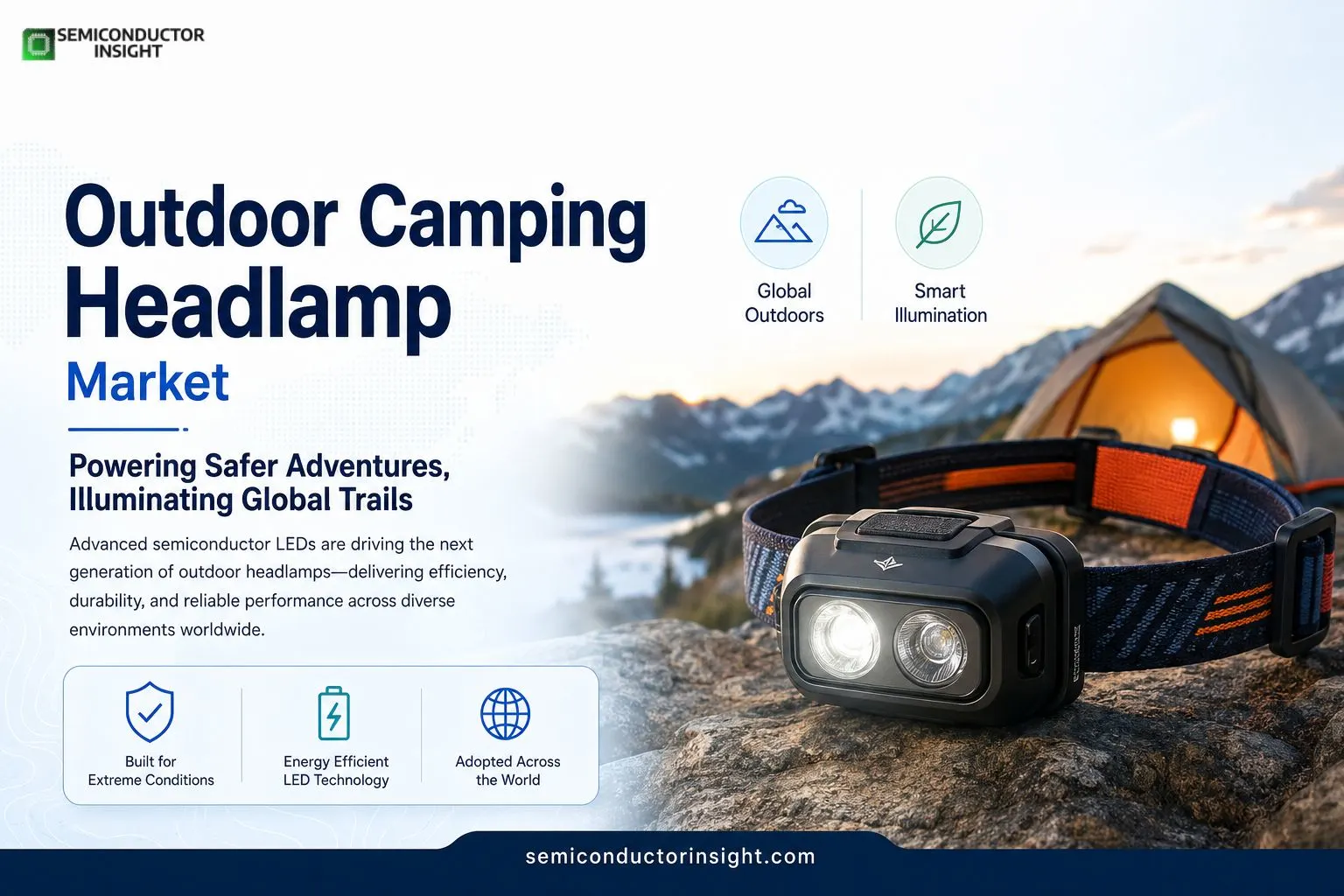
Top 5 Regions Leading the Innovation in Semiconductor LED Headlights for Outdoor Camping
Outdoor camping headlamps, powered by advanced semiconductor LEDs, have transformed how adventurers navigate trails, set up campsites, and handle night-time tasks in the wilderness. These compact devices blend portability with powerful illumination, relying on light-emitting diode technology that delivers efficiency far beyond older bulb designs.
As more people embrace outdoor recreation, regional differences in terrain, climate, and lifestyle shape how these headlamps are adopted and innovated upon globally.
North American Trails Fueling High-Performance Demand
Across vast national parks and mountain ranges in the United States and Canada, campers and backpackers favor headlamps built for rugged conditions. In places like the Sierra Nevada or Rocky Mountains, where elevation changes quickly and weather shifts dramatically, users rely on models offering 300 to 500 lumens with waterproof ratings. Reports from outdoor enthusiasts highlight deployments during multi-day treks covering 100-plus miles, where reliable lighting prevents missteps on uneven paths. Government-managed recreation areas see thousands of visitors annually incorporating these tools for safety during evening explorations, contributing to broader trends in wilderness preparedness.
One notable example involves search and rescue teams in alpine zones, who equip volunteers with durable headlamps capable of illuminating distances beyond 100 meters, aiding operations in low-visibility scenarios common to the region.
European Landscapes Embracing Versatile and Eco-Friendly Designs
- In Europe, diverse terrains from the Alps to Scandinavian forests drive preferences for lightweight, rechargeable headlamps that align with sustainability goals.
- Hikers in countries like Germany, France, and Norway appreciate models with multiple modes, including red lights for preserving night vision during astronomy sessions or wildlife observation.
- The emphasis on eco-tourism has boosted interest in units using efficient LEDs that extend battery life, reducing the need for frequent replacements in protected natural areas.
- Outdoor clubs and mountaineering groups report widespread use in winter sports, where headlamps withstand freezing temperatures while providing consistent performance over long nights.
- A popular case comes from orienteering events across the continent, where participants cover extensive courses at night, depending on headlamps that balance brightness with comfort for hours of continuous wear.
Asia Pacific Growth amid Rising Adventure Tourism
Rapid expansion of outdoor activities in countries such as Japan, South Korea, and parts of Southeast Asia has accelerated headlamp integration into camping kits. Tropical rainforests and high-altitude trails demand robust, humidity-resistant designs, often featuring 200-plus lumen outputs for navigating dense vegetation. Urban dwellers escaping to national parks on weekends have increased demand for affordable, USB-rechargeable options that fit into small backpacks. In regions with growing interest in night hiking and cave exploration, semiconductor advancements allow for brighter beams without draining power sources quickly.
Communities in mountainous areas of China and India have seen headlamps become standard gear for local guides leading groups through challenging routes, enhancing safety for both residents and international visitors.
Before Proceeding, Feel Free to Overlook Our Updated Report: https://semiconductorinsight.com/report/outdoor-camping-headlamp-market/
Latin America’s Rising Adventure Scene
- Latin America is experiencing steady growth in outdoor pursuits, particularly in countries like Brazil, Chile, Colombia, and Argentina. Adventure tourism in Patagonia and the Andes draws thousands of international visitors annually for multi-day treks, where headlamps prove essential for navigating rugged terrain after sunset. Chile’s Torres del Paine National Park, for instance, sees hikers covering 50-100 kilometer routes, relying on durable LED models with 200-400 lumens for safe passage on uneven paths and glacier approaches.
- Local guides and expedition teams in the region often equip groups with rechargeable headlamps featuring IPX4 or higher water resistance to handle sudden weather changes common in the Andes. In Brazil, the growing popularity of Amazon and Atlantic Forest camping has increased demand for lightweight units suitable for humid environments, where efficient LEDs extend battery life during extended stays far from power sources. Government-supported ecotourism initiatives in several nations have indirectly boosted gear adoption, with park visitor numbers climbing in recent years.
- Examples include organized night hikes in Colombian national parks, where participants use multi-mode headlamps for wildlife observation and camp setup. Semiconductor advancements allow these devices to maintain performance across temperature swings, from high-altitude cold to lowland warmth, making them practical for year-round use.
Middle East & Africa Opportunities in Desert and Wilderness Exploration
In the Middle East & Africa, headlamp usage ties closely to desert trekking, safari adventures, and emerging outdoor infrastructure. Saudi Arabia and the UAE are investing in tourism diversification, promoting activities like dune camping and mountain hiking in areas such as the Empty Quarter or Hajar Mountains. Headlamps with strong flood beams help illuminate large campsite areas, while red-light modes preserve night vision for stargazing in low-pollution desert skies.
Recent developments include government-led projects enhancing outdoor recreation facilities, which have encouraged more residents and tourists to explore natural sites equipped with modern gear. In the UAE, luxury desert glamping experiences increasingly incorporate high-performance headlamps for guest activities, blending comfort with practical illumination.
Integration with Broader Outdoor Ecosystems
Headlamps increasingly pair with other gear, like solar chargers popular in sun-rich Australian regions or app-connected controls emerging in tech-forward Asian markets. This synergy enhances overall experiences, allowing campers to focus on exploration rather than equipment worries. Whether illuminating a tent interior for 10-20 lumens of reading light or projecting beams across valleys, the versatility stems directly from LED semiconductor progress.
The global tapestry of outdoor camping reveals how headlamps, rooted in semiconductor technology, adapt seamlessly to local demands while fostering safer, more enjoyable adventures everywhere. From bustling trailheads in popular parks to quiet backcountry spots, these devices continue lighting the way forward.

Comments (0)