
Top 13 Companies in 2026 for Foldable Smartphones Market Driving Flexible Innovation
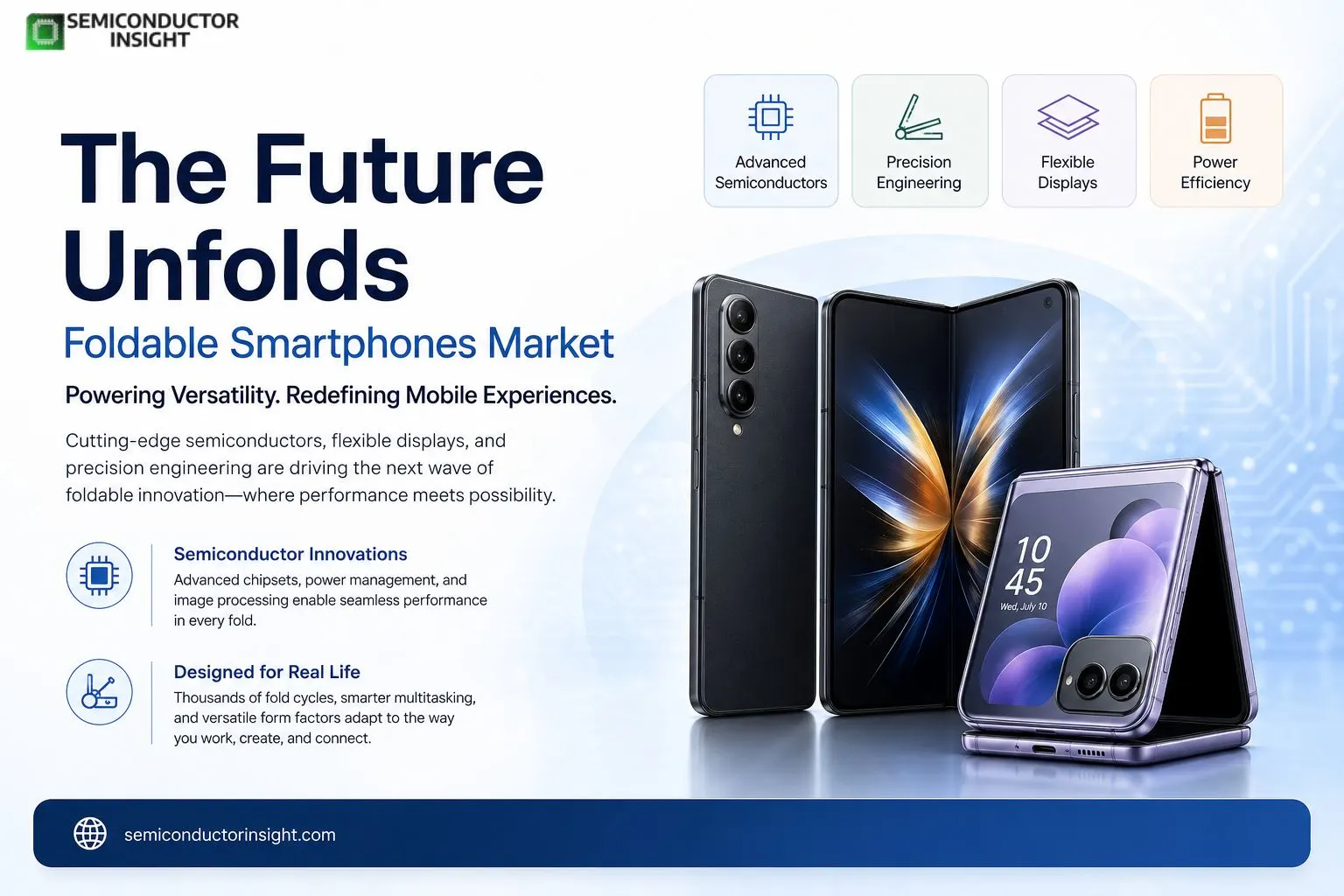
The foldable smartphone segment stands at a fascinating crossroads, where cutting-edge semiconductor technology meets bold industrial design. Once dismissed as fragile experiments, these devices now deliver reliable performance for professionals, creators, and everyday users seeking versatility without carrying multiple gadgets. Flexible displays, precision-engineered hinges, and power-efficient chipsets are fueling wider acceptance across global markets.
- Tracing the Evolution of Flexible Form Factors
- Early concepts from the late 2000s laid groundwork, but real momentum built after 2018 when commercial models with OLED screens entered the scene.
- Durability concerns that plagued initial releases have given way to impressive advancements in materials and engineering.
- Today, consumers benefit from thousands of reliable fold cycles, reduced creases, and smarter multitasking capabilities powered by specialized processors.
- Adoption stories highlight everything from busy executives managing documents on expansive inner screens to content creators filming vertically or horizontally with ease.
- Semiconductor Foundations Enabling Breakthroughs
- At the core of every foldable device lies sophisticated semiconductor innovation.
- Custom system-on-chips optimize power distribution across dual displays, while advanced image processors support high-quality cameras that function seamlessly in both folded and unfolded states.
- Battery management solutions now sustain larger capacities without compromising the slim profile users demand. These developments continue pushing the boundaries of what mobile computing can achieve.
Samsung Electronics remains the most visible force, consistently iterating on its Galaxy Z Fold and Flip lines. Recent supply chain reports highlight aggressive production ramps for the upcoming Galaxy Z Fold8 series, with higher allocation for wider variants designed for improved one-handed usability and media consumption. These models feature larger batteries offering up to 26-27 hours of video playback and camera upgrades including a 200MP main sensor on Ultra versions. The company’s limited-edition Galaxy Z TriFold, launched in late 2025, sold out rapidly in markets like South Korea and the UAE, underscoring strong consumer appetite for ambitious multi-fold designs. Samsung continues to hold a leading global position, often accounting for around 35-45% of foldable shipments in recent periods through relentless refinement and ecosystem support.
Huawei Technologies excels through deep vertical integration, particularly with its Mate and Pura X series running HarmonyOS. The pioneering tri-fold Mate XT, released in past years, delivers a near-desktop experience when combined with optional cases and foldable keyboards, appealing to productivity-focused users. This innovation has driven notable growth in China, where Huawei frequently captures over 30-45% of the local foldable market in strong quarters, benefiting from its self-contained ecosystem and unique folding mechanics that differentiate it in a competitive landscape.
OPPO continues to impress with the Find N series, focusing on ultra-slim profiles and exceptionally smooth hinge mechanisms that make the transition between modes feel effortless and natural. Emphasis on balanced weight distribution and premium material finishes has resonated strongly with style-conscious buyers in competitive Asian markets. OPPO’s consistent hardware refinements, including advanced multitasking optimizations, have helped it carve out a growing presence alongside other Chinese leaders.
Xiaomi Corporation brings aggressive innovation and value across its MIX Fold and Flip portfolios. By combining strong performance specifications with strategic pricing tiers, Xiaomi has steadily expanded its reach, particularly among younger buyers in emerging markets who seek capable foldables without extreme price tags. Its MIX series has contributed to broader category accessibility, with shipments showing healthy gains as the brand targets both book-style and clamshell formats.
Motorola (Lenovo) has revitalized the clamshell category through its Razr lineup, achieving significant share gains especially in North America, where its market presence in foldables climbed notably to around 28% in key 2025 quarters. The nostalgic yet thoroughly modern design, paired with practical durability improvements and media-friendly expanded screens, resonates with users wanting compact daily drivers that transform into larger tablets when needed.
Curious about the report? Dive into our newest updated version at no cost: https://semiconductorinsight.com/report/foldable-smart-phones-market/
Google integrates its Pixel Fold models with thoughtful software tailored specifically for foldable workflows. Leveraging custom Tensor processors for powerful on-device AI capabilities, these devices excel in intelligent multitasking, cross-screen photo editing, and seamless integration within the broader Google ecosystem. Features like adaptive UI elements that respond to folding states have earned praise for enhancing productivity and creativity without steep learning curves.
Vivo’s X Fold offerings stand out for their strong emphasis on advanced imaging systems and rapid charging solutions optimized for the flexible format. The company consistently refines user interface elements to maximize productivity whether devices are partially folded for notifications or fully opened for detailed work. Vivo’s focus on camera hardware and fast power delivery has helped it build loyalty among photography enthusiasts exploring foldable possibilities.
Realme targets accessibility by delivering solid foldable experiences at more approachable price points. This strategy broadens the category’s appeal in emerging markets across Asia and beyond, where premium features were previously limited to higher-budget segments. Realme’s balanced approach to specifications and affordability continues to attract first-time foldable buyers looking for reliable entry options.
- TCL Communication experiments with cost-effective hinges and display technologies, positioning itself as a forward-thinking innovator willing to explore unconventional designs. These efforts could influence future affordability trends across the industry, as TCL works on making flexible mechanisms more economical without sacrificing core functionality.
- Nokia (HMD Global) emphasizes build quality and long-term reliability, creating foldables suited for users in demanding professional or outdoor environments. By focusing on robust construction while preserving essential smartphone features and clean software experiences, Nokia appeals to segments prioritizing durability over flashy specifications.
- Sony Mobile applies its rich imaging heritage to foldable concepts, delivering models that prioritize camera versatility and accurate color reproduction across varying screen configurations. This expertise allows users to capture and edit high-quality content seamlessly whether the device is compact or expanded.
- OnePlus brings its signature fast, fluid performance to the segment, optimizing OxygenOS for quick app switching, smooth animations, and immersive gaming on larger unfolded displays. The brand’s focus on responsiveness and customization options makes its foldable entries attractive to power users seeking premium speed.
ZTE contributes through creative dual-screen implementations and ongoing refinement of folding mechanisms, adding valuable diversity to available options worldwide. Its experimental approaches help push the boundaries of what users can expect from flexible devices in terms of multitasking and unique use cases.
These companies collectively illustrate the vibrant competition shaping foldable smartphones market, with each bringing distinct strengths in hardware, software, pricing, or regional focus. Their efforts, supported by semiconductor advancements, are expanding the category’s relevance on a global scale.
Why Foldables Matter in the Semiconductor Era?
This category showcases how semiconductor advancements directly translate into transformative user experiences. From efficient power delivery to high-performance computing in compact spaces, the underlying technology enables devices that adapt to lifestyles rather than forcing users to adapt to rigid hardware.
Foldable smartphones market continues evolving rapidly, with competition spurring faster innovation cycles and greater accessibility. As more players refine their approaches, consumers stand to gain the most from increasingly capable and desirable flexible devices.

Comments (0)