
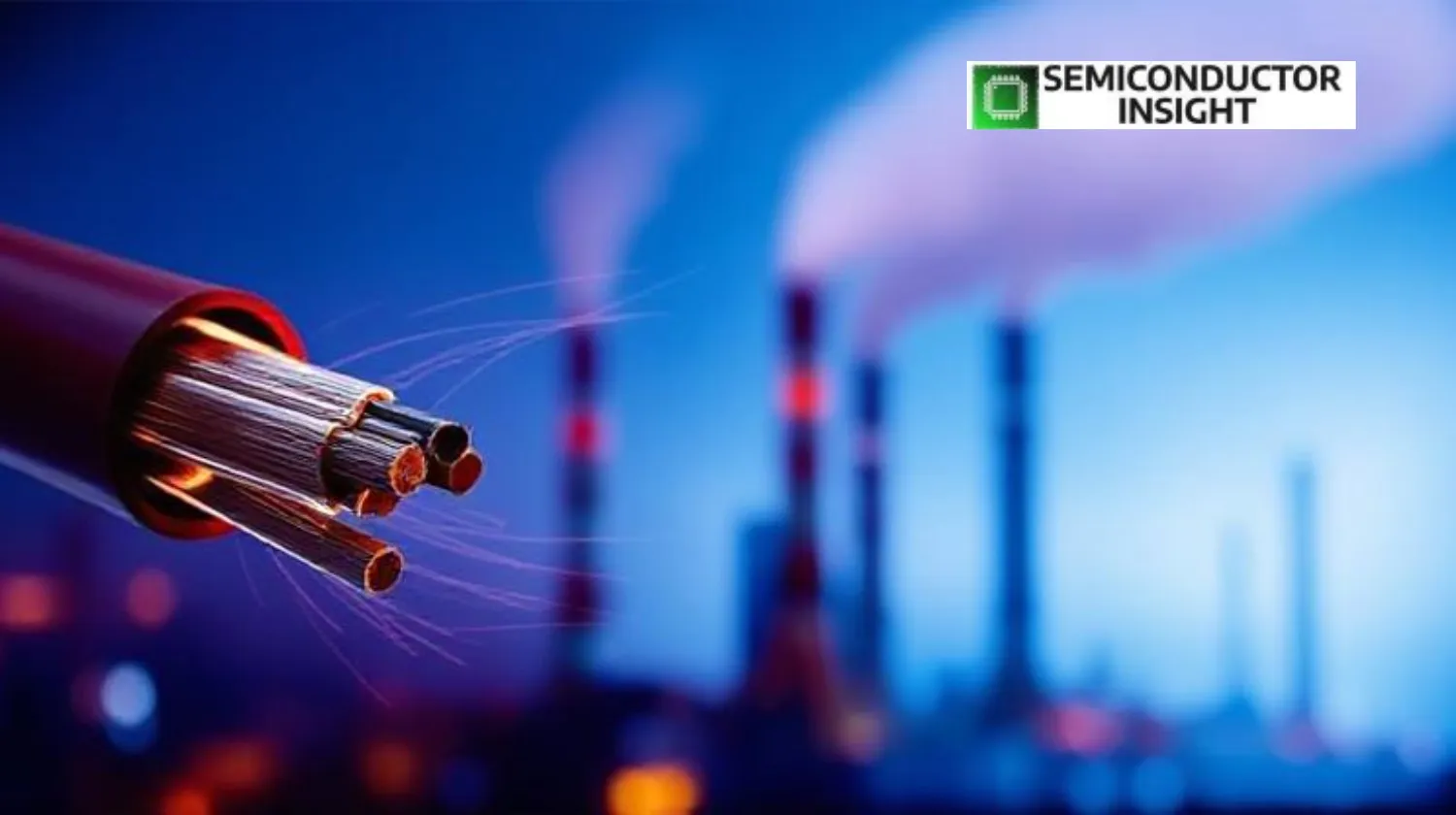
Technological Advancements in the High-Temperature Cables Market for Aerospace
High-Temperature Cables Market for Aerospace Overview
High-temperature cables are a crucial component of the aerospace industry, designed to withstand extreme thermal conditions while maintaining optimal electrical and mechanical performance. These specialized cables are used in critical aerospace applications such as avionics, propulsion systems, engine compartments, and power distribution networks. They operate in environments where temperatures range from -60°C to +1400°C, ensuring reliable power and data transmission in high-heat areas. Their ability to resist heat, fire, and mechanical stress makes them essential for ensuring safety, efficiency, and longevity in aircraft and spacecraft.
Technological Advancements in the High-Temperature Cables Market for Aerospace
The aerospace industry has experienced significant technological advancements in high-temperature cable design and materials, improving durability, conductivity, and heat resistance. Several key innovations have transformed the industry, enhancing safety and efficiency.
Advanced Insulation Materials
Insulation plays a vital role in the performance of high-temperature cables. New materials, such as fluoropolymers (PTFE, FEP, and PFA) and silicone-based compounds, have been developed to provide enhanced thermal stability, electrical insulation, and chemical resistance. These materials maintain integrity even in the harshest environments, ensuring continuous signal transmission and power delivery. Fluoropolymer-insulated cables are now commonly used in aerospace applications due to their low weight, excellent thermal endurance, and resistance to moisture and chemicals.
Ceramic Insulation for Extreme Environments
Ceramic-insulated wires have become a revolutionary advancement in aerospace cable technology. These cables, designed to withstand temperatures exceeding 1000°C, are widely used in areas exposed to direct engine heat and high-energy propulsion systems. Ceramic insulation provides exceptional thermal resistance while maintaining electrical conductivity, making it ideal for applications where traditional polymer-based insulation may degrade. This technology is crucial in enhancing safety and preventing cable failure in mission-critical aerospace components.
Lightweight Conductive Materials
The aerospace industry continuously seeks ways to reduce aircraft weight to improve fuel efficiency and increase payload capacity. Recent developments in lightweight conductive materials, such as aluminum alloys, high-strength copper-clad aluminum, and graphene-enhanced conductors, have allowed manufacturers to produce cables that are lighter without compromising electrical performance. These materials improve energy efficiency and reduce overall system weight, a critical factor in aircraft design.
High-Performance Shielding and Coatings
With the increasing complexity of modern aircraft and spacecraft, electromagnetic interference (EMI) has become a significant concern. Advanced high-temperature cables now incorporate high-performance shielding, such as metal braiding, conductive polymer coatings, and nanocomposite-based shielding, to prevent EMI and ensure reliable data transmission. Additionally, specialized coatings with fire-resistant properties have been developed to further enhance safety by reducing fire propagation in case of electrical failures.
Enhanced Testing and Certification Standards
To meet the stringent safety and performance standards in aerospace, manufacturers have developed advanced testing and certification processes. Facilities like NASA’s High-Power Advanced Cable Technology (HiACT) rig have been instrumental in evaluating electrical cable ampacities, ensuring that cables maintain consistent performance under extreme conditions. Rigorous testing methods, including thermal cycling, vibration tests, and fire resistance evaluations, have led to cables that are more reliable and durable in aerospace applications.
Ultra-High Temperature Ceramic Matrix Composites (UHTCMCs)
Research into ultra-high temperature ceramic matrix composites (UHTCMCs) has led to the development of materials capable of withstanding temperatures above 2000°C. These composites have significant potential for use in next-generation aerospace applications, including reusable spacecraft heat shields and high-temperature propulsion components. Their ability to withstand extreme thermal loads while maintaining structural integrity makes them an essential advancement in high-temperature cable materials.
High-Temperature Cables Market Future Growth Opportunities
The future of high-temperature cables in aerospace presents numerous opportunities for innovation and expansion.
Electric Aircraft Development
As the aerospace industry shifts towards electrification, the demand for high-temperature cables capable of handling higher voltage loads while operating in extreme conditions is rising. Electric aircraft require efficient, lightweight wiring solutions to support high-power propulsion systems and onboard energy storage. The growing adoption of electric and hybrid-electric aircraft is expected to drive further advancements in cable materials and thermal management technologies.
Space Exploration and Deep-Space Missions
The increasing number of space missions, including lunar and Mars exploration programs, requires specialized high-temperature cables designed to withstand extreme thermal fluctuations and radiation exposure. Future deep-space missions will rely on advanced cable materials that can endure prolonged exposure to vacuum conditions, cosmic radiation, and extreme temperature variations. The development of radiation-resistant and thermally stable cables will be essential for ensuring the success of long-duration space travel.
Material Innovations for Enhanced Performance
Ongoing research into nanomaterials, superconductors, and carbon-based conductors is expected to lead to the development of next-generation aerospace cables with superior conductivity, thermal resistance, and durability. Innovations such as carbon nanotube-based conductors and superconducting cables could revolutionize electrical systems in aircraft and spacecraft, enabling higher efficiency and reduced energy losses.
Compliance with Stringent Regulatory Standards
Stricter safety and performance regulations in the aerospace sector will drive the demand for high-quality, certified high-temperature cables. Regulatory bodies such as the FAA, EASA, and NASA continuously update safety standards to ensure that aerospace wiring systems meet the highest levels of reliability and fire resistance. Manufacturers that invest in developing cables that comply with these evolving standards will have a competitive edge in the market.
Conclusion
Technological advancements in high-temperature cables have significantly enhanced the reliability, efficiency, and safety of aerospace applications. From advanced insulation materials and lightweight conductors to high-performance shielding and ultra-high temperature composites, continuous innovation is shaping the future of aerospace wiring systems. With the rise of electric aircraft, deep-space exploration, and evolving regulatory standards, the demand for cutting-edge high-temperature cables is expected to grow. As the industry advances, investment in research and development will be key to meeting the increasing requirements of aerospace electrical systems.
FAQs
Q: What are the key driving factors and opportunities in the high-temperature cables market?
A: The main drivers include advancements in insulation materials, lightweight conductors, and rigorous testing methods. Opportunities exist in electric aircraft development, deep-space exploration, and the adoption of nanomaterial-based conductors.
Q: Which region is projected to have the largest market share?
A: North America dominates due to its robust aerospace industry, increasing investments in space exploration, and continuous technological innovations.
Q: Who are the top players in the global high-temperature cables market?
A: Key players include Nexans, Prysmian Group, Belden, and TE Connectivity, leading the industry with innovations in heat-resistant cable solutions.
Q: What are the latest technological advancements in the industry?
A: Recent innovations include ultra-high temperature ceramic matrix composites, lightweight conductive materials, and advanced high-performance shielding for EMI protection.
Q: How is the shift towards electric aircraft influencing the high-temperature cables market?
A: The move towards electric propulsion increases the demand for high-voltage, lightweight cables with superior thermal resistance, driving further technological advancements in aerospace wiring systems.

Shubham K
Shubham is a seasoned market researcher specializing in the semiconductor industry, providing in-depth analysis on emerging trends, technological advancements, and market dynamics. With extensive experience in semiconductor manufacturing, supply chain analysis, and competitive intelligence, Shubham delivers actionable insights that help businesses navigate the evolving landscape of chip design, fabrication, and applications. His expertise spans key areas such as AI-driven semiconductors, advanced packaging, memory technologies, and foundry trends. At SemiconductorInsight, Shubham combines data-driven research with strategic foresight, offering thought leadership that empowers industry professionals, investors, and technology innovators to make informed decisions.
Comment (1)