
Industrial Automation Trends Boosting CPCI Chassis Market Demand in 2026
Beyond the Backplane Understanding the CPCI Chassis Market Surge
The industrial backbone of critical infrastructure is undergoing a quiet but significant transformation, with the CompactPCI or CPCI chassis market at the heart of this evolution. These industrial-grade housings are far more than simple metal boxes; they are sophisticated ecosystems designed to protect, power, and cool critical backplanes and board components in environments where failure is not an option.
This growth narrative is driven by a fundamental shift toward scalable computing systems that can adapt to rapidly changing technological landscapes without requiring complete overhauls.
Modular Architecture as the New Industrial Standard
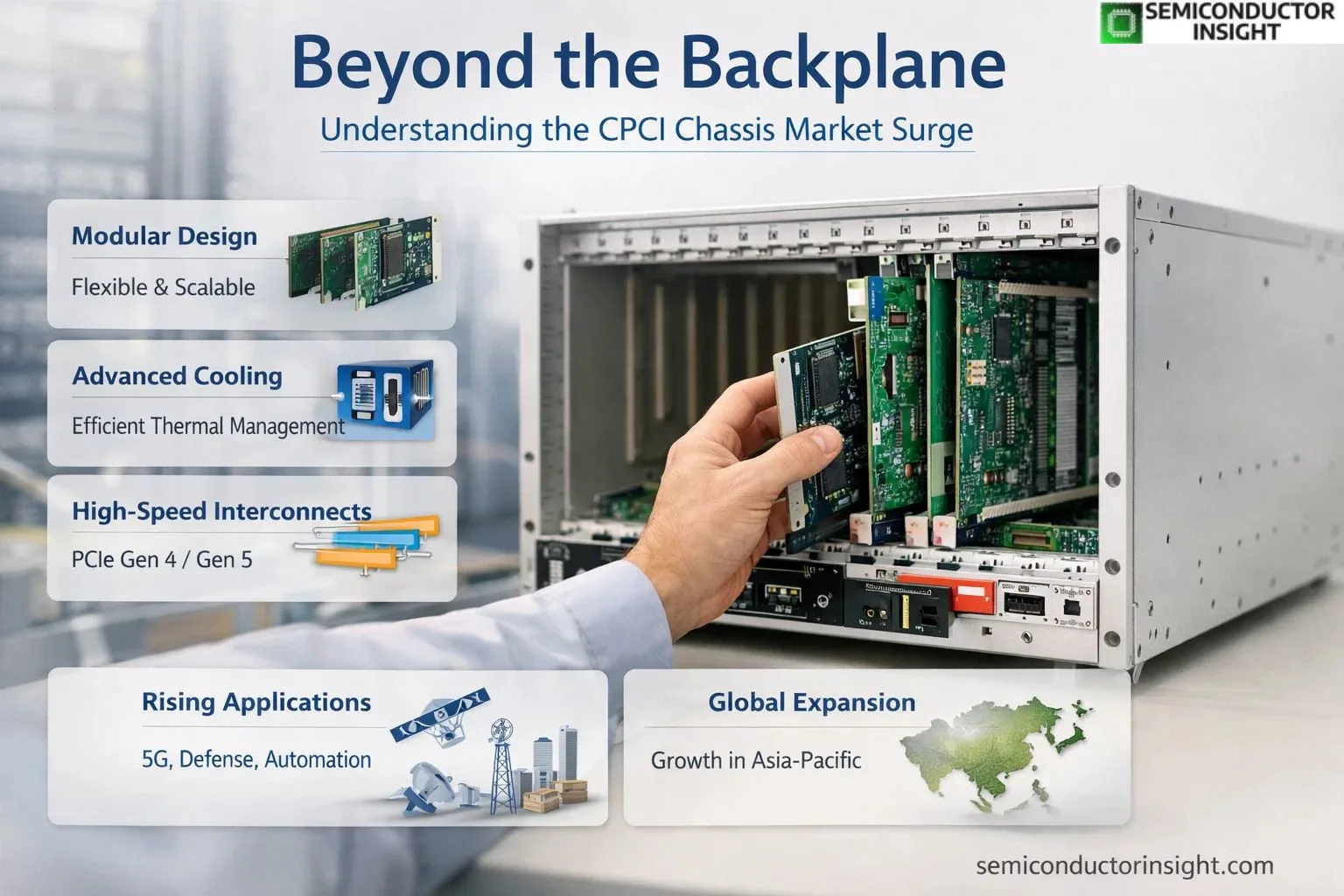
One of the most compelling forces reshaping this market is the widespread adoption of modular designs. Organizations are increasingly moving away from monolithic, difficult-to-upgrade systems in favor of modular CPCI chassis that allow for seamless scalability and simplified maintenance.
This approach significantly reduces total cost of ownership by minimizing downtime; a faulty board can be swapped out in seconds without powering down the entire system. The flexibility offered by these modular platforms is particularly attractive for data centers and enterprise IT environments, which must quickly adapt to evolving workloads. By enabling organizations to expand their infrastructure efficiently, modular chassis are becoming the foundational element for agile and resilient industrial operations.
Meeting the Thermal Demands of High-Density Computing
- As processing power increases and component density within chassis becomes tighter, managing heat has emerged as a critical engineering challenge.
- The integration of advanced cooling technologies is no longer a luxury but a necessity for ensuring system longevity and consistent performance.
- Innovative solutions, such as sophisticated liquid cooling systems and optimized airflow management, are now being deployed to prevent thermal throttling in high-performance computing environments.
- This focus on thermal management is essential for applications running artificial intelligence algorithms or real-time big data analytics, where sustained processing power is paramount.
- By preventing overheating, these cooling innovations help extend the hardware lifespan and guarantee operational consistency in mission-critical applications.
High-Speed Interconnects and the Data Acceleration Era
The demand for instantaneous data transfer is fuelling a major trend toward high-speed interconnects within the CPCI chassis ecosystem. With the integration of high-speed backplanes and technologies like PCIe Gen 4 and 5, these systems are achieving unprecedented data throughput while significantly reducing latency. This evolution is crucial for supporting bandwidth-intensive applications such as machine learning, real-time analytics, and next-generation communication networks.
As 5G infrastructure expands globally, the need for chassis that can handle massive data flows with minimal delay becomes critical. This focus on speed ensures that CPCI chassis remain relevant in a world increasingly dominated by edge computing and real-time decision-making.
You can freely browse our most recent updated report to learn more about it before scrolling further: https://semiconductorinsight.com/report/cpci-chassis-market/
Strengthening Security in a Hyperconnected World
With the proliferation of edge computing and distributed networks, security and remote management capabilities have moved to the forefront of buyer requirements. Modern CPCI chassis are being engineered with integrated security protocols and robust remote monitoring features that allow administrators to maintain control over critical systems from anywhere in the world. This capability is vital for safeguarding sensitive data against cyber threats and ensuring operational continuity in remote data centers or harsh industrial environments. The ability to receive automated alerts and perform diagnostics remotely reduces the need for physical site visits, cutting operational costs while enhancing the overall security posture of the infrastructure.
A Closer Look at Application Growth and Regional Dynamics
The application landscape for CPCI chassis is diverse, with distinct sectors showing varying growth trajectories. While industrial control and automation equipment remain a steady foundation, the communication network sector is expected to witness the highest growth, fueled by the global rollout of 5G and the expansion of edge computing nodes.
Similarly, the aerospace and military industry continues to demand ruggedized, secure chassis for mission-critical operations, requiring enhanced durability and security features. From a geographic perspective, the Asia-Pacific region is poised to experience the highest growth, driven by massive investments in rail transit infrastructure, industrial automation, and telecommunication upgrades across countries like China and India. This regional dominance underscores the shift of manufacturing and technological innovation toward the East.
Navigating Challenges in a Fast-Paced Industry
- Despite the optimistic growth forecast, the market faces significant hurdles that require strategic navigation.
- Rapid technological obsolescence remains a persistent challenge; as computing technologies evolve at breakneck speed, manufacturers must continuously invest in research and development to avoid inventory write-offs and maintain competitiveness.
- Additionally, the high capital expenditure required for deploying these advanced systems can be a barrier for small and medium-sized enterprises, potentially slowing adoption in price-sensitive markets.
- Manufacturers are also tasked with navigating a complex web of stringent regulatory standards across different regions, compelling them to invest in compliance and certification processes to maintain global market access.
Finally, sustainability initiatives are beginning to influence manufacturing processes and material selection within the industry. There is a growing emphasis on developing energy-efficient chassis that reduce power consumption and utilize recyclable materials. This shift is driven not only by environmental regulations but also by corporate sustainability goals, as organizations seek to lower their carbon footprint and operational costs.

Comments (0)