High-TC Superconductors Market Trends, Business Strategies 2025-2032

High-TC Superconductors market size was estimated at USD 101 million in 2023 and is projected to reach USD 192.03 million by 2032, exhibiting a CAGR of 7.40% during the forecast period.

PDF Icon Download Sample Report PDF
  • Quick Dispatch

    All Orders

  • Secure Payment

    100% Secure Payment

Price range: $1,500.00 through $4,250.00

Clear

High-TC Superconductors Market Overview

High temperature superconductors are materials that behave as superconductors at unusually high temperatures. The high temperature superconductors represent a new class of materials that bear extraordinary superconducting, magnetic properties and great potential for various technological applications.

This report provides a deep insight into the global High-TC Superconductors market covering all its essential aspects. This ranges from a macro overview of the market to micro details of the market size, competitive landscape, development trend, niche market, key market drivers and challenges, SWOT analysis, value chain analysis, etc.

The analysis helps the reader to shape the competition within the industries and strategies for the competitive environment to enhance the potential profit. Furthermore, it provides a simple framework for evaluating and accessing the position of the business organization. The report structure also focuses on the competitive landscape of the Global High-TC Superconductors Market, this report introduces in detail the market share, market performance, product situation, operation situation, etc. of the main players, which helps the readers in the industry to identify the main competitors and deeply understand the competition pattern of the market.
In a word, this report is a must-read for industry players, investors, researchers, consultants, business strategists, and all those who have any kind of stake or are planning to foray into the High-TC Superconductors market in any manner.

High-TC Superconductors Market Analysis

The global High-TC Superconductors market size was estimated at USD 101 million in 2023 and is projected to reach USD 192.03 million by 2032, exhibiting a CAGR of 7.40% during the forecast period.

North America High-TC Superconductors market size was estimated at USD 29.76 million in 2023, at a CAGR of 6.34% during the forecast period of 2025 through 2032.

High-TC Superconductors Key Market Trends  

  1. Growing Demand for Energy-Efficient Technologies
    The increasing global focus on energy-efficient solutions is driving demand for high-TC superconductors. Their ability to conduct electricity without resistance at high temperatures allows for more efficient power transmission and storage systems, especially in the energy sector.

  2. Advances in High-Temperature Superconducting Materials
    Continued research and development in the field of HTS materials are leading to improvements in their performance and cost-effectiveness. These advancements are expanding the range of applications for HTS in industries like medical, power generation, and industrial equipment.

  3. Integration in Medical Equipment
    High-TC superconductors are gaining popularity in the medical field, particularly in magnetic resonance imaging (MRI) and other diagnostic equipment. Their superior magnetic properties allow for more efficient, high-resolution imaging systems with enhanced performance and reduced operational costs.

  4. Increased Use in Electric Power Equipment
    High-TC superconductors are increasingly used in electric power equipment such as cables, transformers, and motors due to their capacity to handle large amounts of electricity without significant heat loss. This trend is expected to grow as the demand for reliable and sustainable power systems rises.

  5. Potential for Industrial Automation
    With industrial automation and smart factories gaining momentum, HTS materials are being explored for their potential to improve the performance and efficiency of industrial machines. Their low energy consumption and high conductivity make them ideal for use in robotics, manufacturing equipment, and other automated systems.

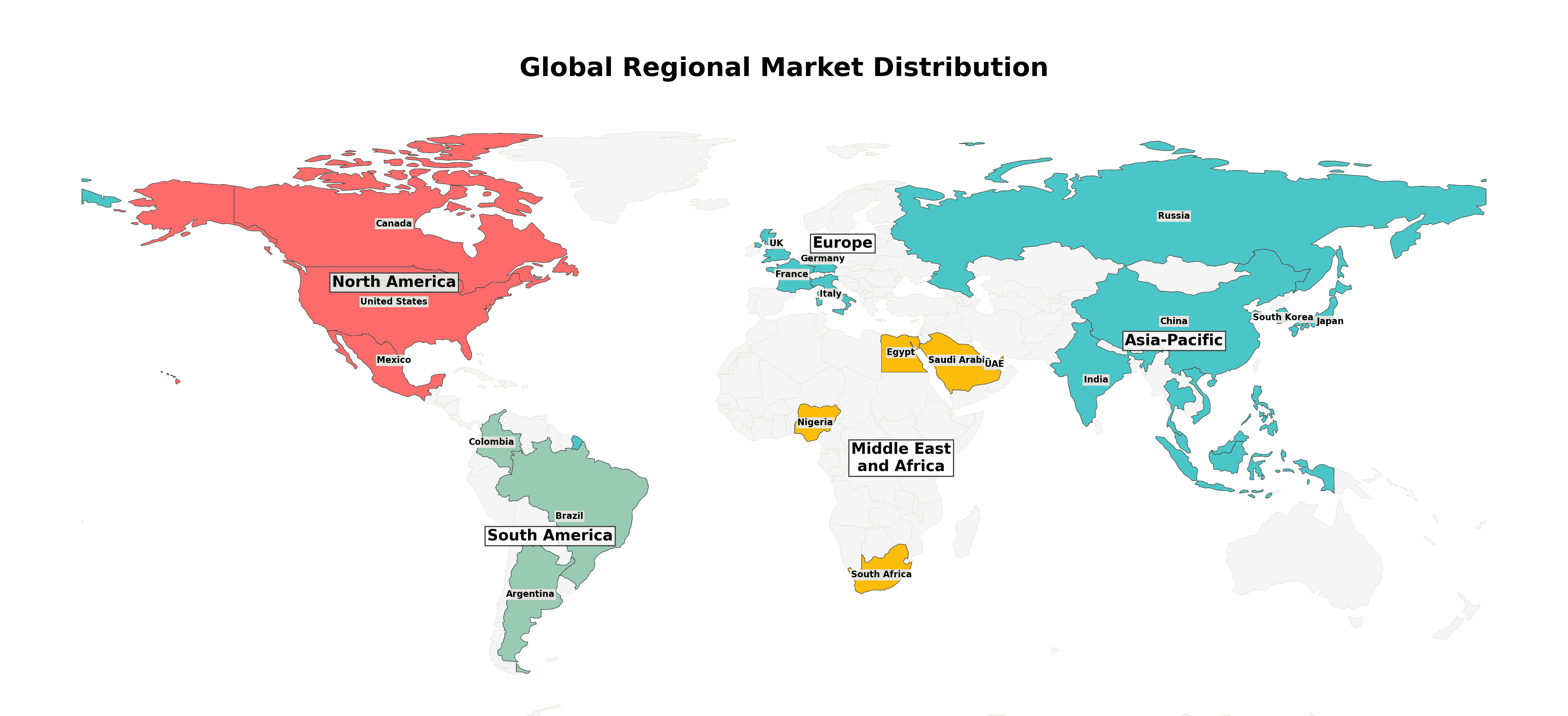
High-TC Superconductors Market Regional Analysis :
semi insight

  • North America:Strong demand driven by EVs, 5G infrastructure, and renewable energy, with the U.S. leading the market.
  • Europe:Growth fueled by automotive electrification, renewable energy, and strong regulatory support, with Germany as a key player.
  • Asia-Pacific:Dominates the market due to large-scale manufacturing in China and Japan, with growing demand from EVs, 5G, and semiconductors.
  • South America:Emerging market, driven by renewable energy and EV adoption, with Brazil leading growth.
  • Middle East & Africa:Gradual growth, mainly due to investments in renewable energy and EV infrastructure, with Saudi Arabia and UAE as key contributors.

High-TC Superconductors Market Segmentation :

The research report includes specific segments by region (country), manufacturers, Type, and Application. Market segmentation creates subsets of a market based on product type, end-user or application, Geographic, and other factors. By understanding the market segments, the decision-maker can leverage this targeting in the product, sales, and marketing strategies. Market segments can power your product development cycles by informing how you create product offerings for different segments.

Key Company

  • AMSC
  • Furukawa
  • Bruker
  • Fujikura
  • Sumitomo
  • SuNam
  • SHSC
  • Innost
  • THEVA

Market Segmentation (by Type)

  • 1G HTS
  • 2G HTS

Market Segmentation (by Application)

  • Electric Equipment
  • Medical Equipment
  • Industrial Equipment
  • Others

Drivers

  1. Growing Energy Demand
    The rising global energy consumption is a significant driver for the development of high-TC superconductors. These materials enable more efficient energy transmission and storage, helping meet the growing demand for energy while reducing losses associated with traditional power systems.

  2. Technological Advancements in Superconductivity
    Breakthroughs in the development of high-temperature superconducting materials are making them more viable for a variety of industries. The progress in creating materials that can function at higher temperatures reduces cooling requirements, which in turn lowers costs and broadens application opportunities.

  3. Government Initiatives Supporting Sustainable Technologies
    Governments worldwide are investing in sustainable and energy-efficient technologies, which directly benefits the HTS market. Incentives, subsidies, and research funding for energy-efficient infrastructure and medical advancements are accelerating the adoption of high-TC superconductors in these sectors.


Restraints

  1. High Production Costs
    The production costs for high-TC superconductors remain high due to the complexity of manufacturing processes and the materials involved. These costs can hinder widespread adoption, especially in developing regions or industries with limited budgets for new technology.

  2. Limited Availability of Raw Materials
    Certain raw materials used in high-TC superconductors, such as rare-earth elements, are limited and can be expensive. This poses a challenge for large-scale manufacturing and limits the potential for mass adoption in various sectors.

  3. Technical Challenges in Integration
    Integrating high-TC superconductors into existing infrastructure can be complex. The need for specialized cooling systems and careful handling of these materials can make their integration into existing systems more challenging, especially in older industrial or power grid infrastructure.


Opportunities

  1. Expanding Applications in Electric Power Systems
    High-TC superconductors present significant opportunities in the electric power industry. Their use in power cables, generators, and transformers allows for more efficient power distribution systems, with reduced energy losses. This is particularly beneficial for smart grid technologies and renewable energy integration.

  2. Advancements in Medical Imaging and Diagnostics
    The medical field, especially in MRI and diagnostic technologies, presents a growing opportunity for HTS materials. Their ability to generate powerful magnetic fields with less operational cost can lead to the development of more affordable and efficient medical imaging devices.

  3. Development of Quantum Computing
    High-TC superconductors hold promise in the field of quantum computing, where superconducting qubits are essential for building faster, more reliable quantum computers. Research in this field could significantly impact sectors like information technology, cryptography, and artificial intelligence.


Challenges

  1. Need for Specialized Cooling Systems
    Despite being termed “high-temperature” superconductors, HTS still require cooling systems to function effectively. While the temperatures are higher than traditional superconductors, cooling remains an essential factor in their use, adding complexity and cost to their deployment.

  2. Market Education and Awareness
    The concept of high-temperature superconductivity is still new to many industries, and a lack of understanding or awareness can hinder adoption. Companies may be hesitant to invest in new HTS technology without a clear understanding of its long-term benefits and return on investment.

  3. Material Stability and Durability
    Although high-TC superconductors offer great potential, their long-term stability and durability are still under study. For industries like healthcare and energy, which require highly reliable systems, ensuring that HTS materials maintain performance over time is critical.

Key Benefits of This Market Research:

  • Industry drivers, restraints, and opportunities covered in the study
  • Neutral perspective on the market performance
  • Recent industry trends and developments
  • Competitive landscape & strategies of key players
  • Potential & niche segments and regions exhibiting promising growth covered
  • Historical, current, and projected market size, in terms of value
  • In-depth analysis of the High-TC Superconductors Market
  • Overview of the regional outlook of the High-TC Superconductors Market:

Key Reasons to Buy this Report:

  • Access to date statistics compiled by our researchers. These provide you with historical and forecast data, which is analyzed to tell you why your market is set to change
  • This enables you to anticipate market changes to remain ahead of your competitors
  • You will be able to copy data from the Excel spreadsheet straight into your marketing plans, business presentations, or other strategic documents
  • The concise analysis, clear graph, and table format will enable you to pinpoint the information you require quickly
  • Provision of market value data for each segment and sub-segment
  • Indicates the region and segment that is expected to witness the fastest growth as well as to dominate the market
  • Provides insight into the market through Value Chain
  • Market dynamics scenario, along with growth opportunities of the market in the years to come
  • 6-month post-sales analyst support

Customization of the Report
In case of any queries or customization requirements, please connect with our sales team, who will ensure that your requirements are met.

FAQs

What are the key driving factors and opportunities in the High-TC Superconductors market?

Key driving factors include the increasing demand for energy-efficient solutions, advancements in superconducting materials, and growing applications in industries like medical equipment, electric power, and industrial systems. Opportunities are centered around improving energy transmission, developing medical imaging equipment, and exploring quantum computing.


Which region is projected to have the largest market share?

North America is expected to hold the largest market share due to its strong focus on energy-efficient technologies, substantial research and development investments, and the presence of major players in the HTS sector. The U.S. in particular is a leader in technological innovations related to superconductors.


Who are the top players in the global High-TC Superconductors market?

The key players in the High-TC Superconductors market include AMSC, Furukawa, Bruker, Fujikura, Sumitomo, SuNam, SHSC, Innost, and THEVA. These companies are leading the development and commercialization of HTS materials for various industrial and medical applications.


What are the latest technological advancements in the industry?

Recent advancements in the high-TC superconductors industry include the development of materials that can operate at higher temperatures, reducing the need for expensive cooling systems. Additionally, innovations in fabrication techniques have improved the performance and cost-efficiency of HTS materials, expanding their potential applications.


What is the current size of the global High-TC Superconductors market?

The global High-TC Superconductors market was valued at USD 101 million in 2023 and is projected to reach USD 192.03 million by 2032, growing at a CAGR of 7.40% during the forecast period.


High-TC Superconductors Market Trends, Business Strategies 2025-2032

Get Sample Report PDF for Exclusive Insights

Report Sample Includes

  • Table of Contents
  • List of Tables & Figures
  • Charts, Research Methodology, and more...

PDF Icon Download Sample Report PDF

Table of Content

Table of Contents
1 Research Methodology and Statistical Scope
1.1 Market Definition and Statistical Scope of High-TC Superconductors
1.2 Key Market Segments
1.2.1 High-TC Superconductors Segment by Type
1.2.2 High-TC Superconductors Segment by Application
1.3 Methodology & Sources of Information
1.3.1 Research Methodology
1.3.2 Research Process
1.3.3 Market Breakdown and Data Triangulation
1.3.4 Base Year
1.3.5 Report Assumptions & Caveats
2 High-TC Superconductors Market Overview
2.1 Global Market Overview
2.1.1 Global High-TC Superconductors Market Size (M USD) Estimates and Forecasts (2019-2032)
2.1.2 Global High-TC Superconductors Sales Estimates and Forecasts (2019-2032)
2.2 Market Segment Executive Summary
2.3 Global Market Size by Region
3 High-TC Superconductors Market Competitive Landscape
3.1 Global High-TC Superconductors Sales by Manufacturers (2019-2025)
3.2 Global High-TC Superconductors Revenue Market Share by Manufacturers (2019-2025)
3.3 High-TC Superconductors Market Share by Company Type (Tier 1, Tier 2, and Tier 3)
3.4 Global High-TC Superconductors Average Price by Manufacturers (2019-2025)
3.5 Manufacturers High-TC Superconductors Sales Sites, Area Served, Product Type
3.6 High-TC Superconductors Market Competitive Situation and Trends
3.6.1 High-TC Superconductors Market Concentration Rate
3.6.2 Global 5 and 10 Largest High-TC Superconductors Players Market Share by Revenue
3.6.3 Mergers & Acquisitions, Expansion
4 High-TC Superconductors Industry Chain Analysis
4.1 High-TC Superconductors Industry Chain Analysis
4.2 Market Overview of Key Raw Materials
4.3 Midstream Market Analysis
4.4 Downstream Customer Analysis
5 The Development and Dynamics of High-TC Superconductors Market
5.1 Key Development Trends
5.2 Driving Factors
5.3 Market Challenges
5.4 Market Restraints
5.5 Industry News
5.5.1 New Product Developments
5.5.2 Mergers & Acquisitions
5.5.3 Expansions
5.5.4 Collaboration/Supply Contracts
5.6 Industry Policies
6 High-TC Superconductors Market Segmentation by Type
6.1 Evaluation Matrix of Segment Market Development Potential (Type)
6.2 Global High-TC Superconductors Sales Market Share by Type (2019-2025)
6.3 Global High-TC Superconductors Market Size Market Share by Type (2019-2025)
6.4 Global High-TC Superconductors Price by Type (2019-2025)
7 High-TC Superconductors Market Segmentation by Application
7.1 Evaluation Matrix of Segment Market Development Potential (Application)
7.2 Global High-TC Superconductors Market Sales by Application (2019-2025)
7.3 Global High-TC Superconductors Market Size (M USD) by Application (2019-2025)
7.4 Global High-TC Superconductors Sales Growth Rate by Application (2019-2025)
8 High-TC Superconductors Market Consumption by Region
8.1 Global High-TC Superconductors Sales by Region
8.1.1 Global High-TC Superconductors Sales by Region
8.1.2 Global High-TC Superconductors Sales Market Share by Region
8.2 North America
8.2.1 North America High-TC Superconductors Sales by Country
8.2.2 U.S.
8.2.3 Canada
8.2.4 Mexico
8.3 Europe
8.3.1 Europe High-TC Superconductors Sales by Country
8.3.2 Germany
8.3.3 France
8.3.4 U.K.
8.3.5 Italy
8.3.6 Russia
8.4 Asia Pacific
8.4.1 Asia Pacific High-TC Superconductors Sales by Region
8.4.2 China
8.4.3 Japan
8.4.4 South Korea
8.4.5 India
8.4.6 Southeast Asia
8.5 South America
8.5.1 South America High-TC Superconductors Sales by Country
8.5.2 Brazil
8.5.3 Argentina
8.5.4 Columbia
8.6 Middle East and Africa
8.6.1 Middle East and Africa High-TC Superconductors Sales by Region
8.6.2 Saudi Arabia
8.6.3 UAE
8.6.4 Egypt
8.6.5 Nigeria
8.6.6 South Africa
9 High-TC Superconductors Market Production by Region
9.1 Global Production of High-TC Superconductors by Region (2019-2025)
9.2 Global High-TC Superconductors Revenue Market Share by Region (2019-2025)
9.3 Global High-TC Superconductors Production, Revenue, Price and Gross Margin (2019-2025)
9.4 North America High-TC Superconductors Production
9.4.1 North America High-TC Superconductors Production Growth Rate (2019-2025)
9.4.2 North America High-TC Superconductors Production, Revenue, Price and Gross Margin (2019-2025)
9.5 Europe High-TC Superconductors Production
9.5.1 Europe High-TC Superconductors Production Growth Rate (2019-2025)
9.5.2 Europe High-TC Superconductors Production, Revenue, Price and Gross Margin (2019-2025)
9.6 Japan High-TC Superconductors Production (2019-2025)
9.6.1 Japan High-TC Superconductors Production Growth Rate (2019-2025)
9.6.2 Japan High-TC Superconductors Production, Revenue, Price and Gross Margin (2019-2025)
9.7 China High-TC Superconductors Production (2019-2025)
9.7.1 China High-TC Superconductors Production Growth Rate (2019-2025)
9.7.2 China High-TC Superconductors Production, Revenue, Price and Gross Margin (2019-2025)
10 Key Companies Profile
10.1 AMSC
10.1.1 AMSC High-TC Superconductors Basic Information
10.1.2 AMSC High-TC Superconductors Product Overview
10.1.3 AMSC High-TC Superconductors Product Market Performance
10.1.4 AMSC Business Overview
10.1.5 AMSC High-TC Superconductors SWOT Analysis
10.1.6 AMSC Recent Developments
10.2 Furukawa
10.2.1 Furukawa High-TC Superconductors Basic Information
10.2.2 Furukawa High-TC Superconductors Product Overview
10.2.3 Furukawa High-TC Superconductors Product Market Performance
10.2.4 Furukawa Business Overview
10.2.5 Furukawa High-TC Superconductors SWOT Analysis
10.2.6 Furukawa Recent Developments
10.3 Bruker
10.3.1 Bruker High-TC Superconductors Basic Information
10.3.2 Bruker High-TC Superconductors Product Overview
10.3.3 Bruker High-TC Superconductors Product Market Performance
10.3.4 Bruker High-TC Superconductors SWOT Analysis
10.3.5 Bruker Business Overview
10.3.6 Bruker Recent Developments
10.4 Fujikura
10.4.1 Fujikura High-TC Superconductors Basic Information
10.4.2 Fujikura High-TC Superconductors Product Overview
10.4.3 Fujikura High-TC Superconductors Product Market Performance
10.4.4 Fujikura Business Overview
10.4.5 Fujikura Recent Developments
10.5 Sumitomo
10.5.1 Sumitomo High-TC Superconductors Basic Information
10.5.2 Sumitomo High-TC Superconductors Product Overview
10.5.3 Sumitomo High-TC Superconductors Product Market Performance
10.5.4 Sumitomo Business Overview
10.5.5 Sumitomo Recent Developments
10.6 SuNam
10.6.1 SuNam High-TC Superconductors Basic Information
10.6.2 SuNam High-TC Superconductors Product Overview
10.6.3 SuNam High-TC Superconductors Product Market Performance
10.6.4 SuNam Business Overview
10.6.5 SuNam Recent Developments
10.7 SHSC
10.7.1 SHSC High-TC Superconductors Basic Information
10.7.2 SHSC High-TC Superconductors Product Overview
10.7.3 SHSC High-TC Superconductors Product Market Performance
10.7.4 SHSC Business Overview
10.7.5 SHSC Recent Developments
10.8 Innost
10.8.1 Innost High-TC Superconductors Basic Information
10.8.2 Innost High-TC Superconductors Product Overview
10.8.3 Innost High-TC Superconductors Product Market Performance
10.8.4 Innost Business Overview
10.8.5 Innost Recent Developments
10.9 THEVA
10.9.1 THEVA High-TC Superconductors Basic Information
10.9.2 THEVA High-TC Superconductors Product Overview
10.9.3 THEVA High-TC Superconductors Product Market Performance
10.9.4 THEVA Business Overview
10.9.5 THEVA Recent Developments
11 High-TC Superconductors Market Forecast by Region
11.1 Global High-TC Superconductors Market Size Forecast
11.2 Global High-TC Superconductors Market Forecast by Region
11.2.1 North America Market Size Forecast by Country
11.2.2 Europe High-TC Superconductors Market Size Forecast by Country
11.2.3 Asia Pacific High-TC Superconductors Market Size Forecast by Region
11.2.4 South America High-TC Superconductors Market Size Forecast by Country
11.2.5 Middle East and Africa Forecasted Consumption of High-TC Superconductors by Country
12 Forecast Market by Type and by Application (2025-2032)
12.1 Global High-TC Superconductors Market Forecast by Type (2025-2032)
12.1.1 Global Forecasted Sales of High-TC Superconductors by Type (2025-2032)
12.1.2 Global High-TC Superconductors Market Size Forecast by Type (2025-2032)
12.1.3 Global Forecasted Price of High-TC Superconductors by Type (2025-2032)
12.2 Global High-TC Superconductors Market Forecast by Application (2025-2032)
12.2.1 Global High-TC Superconductors Sales (K Units) Forecast by Application
12.2.2 Global High-TC Superconductors Market Size (M USD) Forecast by Application (2025-2032)
13 Conclusion and Key FindingsList of Tables
Table 1. Introduction of the Type
Table 2. Introduction of the Application
Table 3. Market Size (M USD) Segment Executive Summary
Table 4. High-TC Superconductors Market Size Comparison by Region (M USD)
Table 5. Global High-TC Superconductors Sales (K Units) by Manufacturers (2019-2025)
Table 6. Global High-TC Superconductors Sales Market Share by Manufacturers (2019-2025)
Table 7. Global High-TC Superconductors Revenue (M USD) by Manufacturers (2019-2025)
Table 8. Global High-TC Superconductors Revenue Share by Manufacturers (2019-2025)
Table 9. Company Type (Tier 1, Tier 2, and Tier 3) & (based on the Revenue in High-TC Superconductors as of 2022)
Table 10. Global Market High-TC Superconductors Average Price (USD/Unit) of Key Manufacturers (2019-2025)
Table 11. Manufacturers High-TC Superconductors Sales Sites and Area Served
Table 12. Manufacturers High-TC Superconductors Product Type
Table 13. Global High-TC Superconductors Manufacturers Market Concentration Ratio (CR5 and HHI)
Table 14. Mergers & Acquisitions, Expansion Plans
Table 15. Industry Chain Map of High-TC Superconductors
Table 16. Market Overview of Key Raw Materials
Table 17. Midstream Market Analysis
Table 18. Downstream Customer Analysis
Table 19. Key Development Trends
Table 20. Driving Factors
Table 21. High-TC Superconductors Market Challenges
Table 22. Global High-TC Superconductors Sales by Type (K Units)
Table 23. Global High-TC Superconductors Market Size by Type (M USD)
Table 24. Global High-TC Superconductors Sales (K Units) by Type (2019-2025)
Table 25. Global High-TC Superconductors Sales Market Share by Type (2019-2025)
Table 26. Global High-TC Superconductors Market Size (M USD) by Type (2019-2025)
Table 27. Global High-TC Superconductors Market Size Share by Type (2019-2025)
Table 28. Global High-TC Superconductors Price (USD/Unit) by Type (2019-2025)
Table 29. Global High-TC Superconductors Sales (K Units) by Application
Table 30. Global High-TC Superconductors Market Size by Application
Table 31. Global High-TC Superconductors Sales by Application (2019-2025) & (K Units)
Table 32. Global High-TC Superconductors Sales Market Share by Application (2019-2025)
Table 33. Global High-TC Superconductors Sales by Application (2019-2025) & (M USD)
Table 34. Global High-TC Superconductors Market Share by Application (2019-2025)
Table 35. Global High-TC Superconductors Sales Growth Rate by Application (2019-2025)
Table 36. Global High-TC Superconductors Sales by Region (2019-2025) & (K Units)
Table 37. Global High-TC Superconductors Sales Market Share by Region (2019-2025)
Table 38. North America High-TC Superconductors Sales by Country (2019-2025) & (K Units)
Table 39. Europe High-TC Superconductors Sales by Country (2019-2025) & (K Units)
Table 40. Asia Pacific High-TC Superconductors Sales by Region (2019-2025) & (K Units)
Table 41. South America High-TC Superconductors Sales by Country (2019-2025) & (K Units)
Table 42. Middle East and Africa High-TC Superconductors Sales by Region (2019-2025) & (K Units)
Table 43. Global High-TC Superconductors Production (K Units) by Region (2019-2025)
Table 44. Global High-TC Superconductors Revenue (US$ Million) by Region (2019-2025)
Table 45. Global High-TC Superconductors Revenue Market Share by Region (2019-2025)
Table 46. Global High-TC Superconductors Production (K Units), Revenue (US$ Million), Price (USD/Unit) and Gross Margin (2019-2025)
Table 47. North America High-TC Superconductors Production (K Units), Revenue (US$ Million), Price (USD/Unit) and Gross Margin (2019-2025)
Table 48. Europe High-TC Superconductors Production (K Units), Revenue (US$ Million), Price (USD/Unit) and Gross Margin (2019-2025)
Table 49. Japan High-TC Superconductors Production (K Units), Revenue (US$ Million), Price (USD/Unit) and Gross Margin (2019-2025)
Table 50. China High-TC Superconductors Production (K Units), Revenue (US$ Million), Price (USD/Unit) and Gross Margin (2019-2025)
Table 51. AMSC High-TC Superconductors Basic Information
Table 52. AMSC High-TC Superconductors Product Overview
Table 53. AMSC High-TC Superconductors Sales (K Units), Revenue (M USD), Price (USD/Unit) and Gross Margin (2019-2025)
Table 54. AMSC Business Overview
Table 55. AMSC High-TC Superconductors SWOT Analysis
Table 56. AMSC Recent Developments
Table 57. Furukawa High-TC Superconductors Basic Information
Table 58. Furukawa High-TC Superconductors Product Overview
Table 59. Furukawa High-TC Superconductors Sales (K Units), Revenue (M USD), Price (USD/Unit) and Gross Margin (2019-2025)
Table 60. Furukawa Business Overview
Table 61. Furukawa High-TC Superconductors SWOT Analysis
Table 62. Furukawa Recent Developments
Table 63. Bruker High-TC Superconductors Basic Information
Table 64. Bruker High-TC Superconductors Product Overview
Table 65. Bruker High-TC Superconductors Sales (K Units), Revenue (M USD), Price (USD/Unit) and Gross Margin (2019-2025)
Table 66. Bruker High-TC Superconductors SWOT Analysis
Table 67. Bruker Business Overview
Table 68. Bruker Recent Developments
Table 69. Fujikura High-TC Superconductors Basic Information
Table 70. Fujikura High-TC Superconductors Product Overview
Table 71. Fujikura High-TC Superconductors Sales (K Units), Revenue (M USD), Price (USD/Unit) and Gross Margin (2019-2025)
Table 72. Fujikura Business Overview
Table 73. Fujikura Recent Developments
Table 74. Sumitomo High-TC Superconductors Basic Information
Table 75. Sumitomo High-TC Superconductors Product Overview
Table 76. Sumitomo High-TC Superconductors Sales (K Units), Revenue (M USD), Price (USD/Unit) and Gross Margin (2019-2025)
Table 77. Sumitomo Business Overview
Table 78. Sumitomo Recent Developments
Table 79. SuNam High-TC Superconductors Basic Information
Table 80. SuNam High-TC Superconductors Product Overview
Table 81. SuNam High-TC Superconductors Sales (K Units), Revenue (M USD), Price (USD/Unit) and Gross Margin (2019-2025)
Table 82. SuNam Business Overview
Table 83. SuNam Recent Developments
Table 84. SHSC High-TC Superconductors Basic Information
Table 85. SHSC High-TC Superconductors Product Overview
Table 86. SHSC High-TC Superconductors Sales (K Units), Revenue (M USD), Price (USD/Unit) and Gross Margin (2019-2025)
Table 87. SHSC Business Overview
Table 88. SHSC Recent Developments
Table 89. Innost High-TC Superconductors Basic Information
Table 90. Innost High-TC Superconductors Product Overview
Table 91. Innost High-TC Superconductors Sales (K Units), Revenue (M USD), Price (USD/Unit) and Gross Margin (2019-2025)
Table 92. Innost Business Overview
Table 93. Innost Recent Developments
Table 94. THEVA High-TC Superconductors Basic Information
Table 95. THEVA High-TC Superconductors Product Overview
Table 96. THEVA High-TC Superconductors Sales (K Units), Revenue (M USD), Price (USD/Unit) and Gross Margin (2019-2025)
Table 97. THEVA Business Overview
Table 98. THEVA Recent Developments
Table 99. Global High-TC Superconductors Sales Forecast by Region (2025-2032) & (K Units)
Table 100. Global High-TC Superconductors Market Size Forecast by Region (2025-2032) & (M USD)
Table 101. North America High-TC Superconductors Sales Forecast by Country (2025-2032) & (K Units)
Table 102. North America High-TC Superconductors Market Size Forecast by Country (2025-2032) & (M USD)
Table 103. Europe High-TC Superconductors Sales Forecast by Country (2025-2032) & (K Units)
Table 104. Europe High-TC Superconductors Market Size Forecast by Country (2025-2032) & (M USD)
Table 105. Asia Pacific High-TC Superconductors Sales Forecast by Region (2025-2032) & (K Units)
Table 106. Asia Pacific High-TC Superconductors Market Size Forecast by Region (2025-2032) & (M USD)
Table 107. South America High-TC Superconductors Sales Forecast by Country (2025-2032) & (K Units)
Table 108. South America High-TC Superconductors Market Size Forecast by Country (2025-2032) & (M USD)
Table 109. Middle East and Africa High-TC Superconductors Consumption Forecast by Country (2025-2032) & (Units)
Table 110. Middle East and Africa High-TC Superconductors Market Size Forecast by Country (2025-2032) & (M USD)
Table 111. Global High-TC Superconductors Sales Forecast by Type (2025-2032) & (K Units)
Table 112. Global High-TC Superconductors Market Size Forecast by Type (2025-2032) & (M USD)
Table 113. Global High-TC Superconductors Price Forecast by Type (2025-2032) & (USD/Unit)
Table 114. Global High-TC Superconductors Sales (K Units) Forecast by Application (2025-2032)
Table 115. Global High-TC Superconductors Market Size Forecast by Application (2025-2032) & (M USD)
List of Figures
Figure 1. Product Picture of High-TC Superconductors
Figure 2. Data Triangulation
Figure 3. Key Caveats
Figure 4. Global High-TC Superconductors Market Size (M USD), 2019-2032
Figure 5. Global High-TC Superconductors Market Size (M USD) (2019-2032)
Figure 6. Global High-TC Superconductors Sales (K Units) & (2019-2032)
Figure 7. Evaluation Matrix of Segment Market Development Potential (Type)
Figure 8. Evaluation Matrix of Segment Market Development Potential (Application)
Figure 9. Evaluation Matrix of Regional Market Development Potential
Figure 10. High-TC Superconductors Market Size by Country (M USD)
Figure 11. High-TC Superconductors Sales Share by Manufacturers in 2023
Figure 12. Global High-TC Superconductors Revenue Share by Manufacturers in 2023
Figure 13. High-TC Superconductors Market Share by Company Type (Tier 1, Tier 2 and Tier 3): 2023
Figure 14. Global Market High-TC Superconductors Average Price (USD/Unit) of Key Manufacturers in 2023
Figure 15. The Global 5 and 10 Largest Players: Market Share by High-TC Superconductors Revenue in 2023
Figure 16. Evaluation Matrix of Segment Market Development Potential (Type)
Figure 17. Global High-TC Superconductors Market Share by Type
Figure 18. Sales Market Share of High-TC Superconductors by Type (2019-2025)
Figure 19. Sales Market Share of High-TC Superconductors by Type in 2023
Figure 20. Market Size Share of High-TC Superconductors by Type (2019-2025)
Figure 21. Market Size Market Share of High-TC Superconductors by Type in 2023
Figure 22. Evaluation Matrix of Segment Market Development Potential (Application)
Figure 23. Global High-TC Superconductors Market Share by Application
Figure 24. Global High-TC Superconductors Sales Market Share by Application (2019-2025)
Figure 25. Global High-TC Superconductors Sales Market Share by Application in 2023
Figure 26. Global High-TC Superconductors Market Share by Application (2019-2025)
Figure 27. Global High-TC Superconductors Market Share by Application in 2023
Figure 28. Global High-TC Superconductors Sales Growth Rate by Application (2019-2025)
Figure 29. Global High-TC Superconductors Sales Market Share by Region (2019-2025)
Figure 30. North America High-TC Superconductors Sales and Growth Rate (2019-2025) & (K Units)
Figure 31. North America High-TC Superconductors Sales Market Share by Country in 2023
Figure 32. U.S. High-TC Superconductors Sales and Growth Rate (2019-2025) & (K Units)
Figure 33. Canada High-TC Superconductors Sales (K Units) and Growth Rate (2019-2025)
Figure 34. Mexico High-TC Superconductors Sales (Units) and Growth Rate (2019-2025)
Figure 35. Europe High-TC Superconductors Sales and Growth Rate (2019-2025) & (K Units)
Figure 36. Europe High-TC Superconductors Sales Market Share by Country in 2023
Figure 37. Germany High-TC Superconductors Sales and Growth Rate (2019-2025) & (K Units)
Figure 38. France High-TC Superconductors Sales and Growth Rate (2019-2025) & (K Units)
Figure 39. U.K. High-TC Superconductors Sales and Growth Rate (2019-2025) & (K Units)
Figure 40. Italy High-TC Superconductors Sales and Growth Rate (2019-2025) & (K Units)
Figure 41. Russia High-TC Superconductors Sales and Growth Rate (2019-2025) & (K Units)
Figure 42. Asia Pacific High-TC Superconductors Sales and Growth Rate (K Units)
Figure 43. Asia Pacific High-TC Superconductors Sales Market Share by Region in 2023
Figure 44. China High-TC Superconductors Sales and Growth Rate (2019-2025) & (K Units)
Figure 45. Japan High-TC Superconductors Sales and Growth Rate (2019-2025) & (K Units)
Figure 46. South Korea High-TC Superconductors Sales and Growth Rate (2019-2025) & (K Units)
Figure 47. India High-TC Superconductors Sales and Growth Rate (2019-2025) & (K Units)
Figure 48. Southeast Asia High-TC Superconductors Sales and Growth Rate (2019-2025) & (K Units)
Figure 49. South America High-TC Superconductors Sales and Growth Rate (K Units)
Figure 50. South America High-TC Superconductors Sales Market Share by Country in 2023
Figure 51. Brazil High-TC Superconductors Sales and Growth Rate (2019-2025) & (K Units)
Figure 52. Argentina High-TC Superconductors Sales and Growth Rate (2019-2025) & (K Units)
Figure 53. Columbia High-TC Superconductors Sales and Growth Rate (2019-2025) & (K Units)
Figure 54. Middle East and Africa High-TC Superconductors Sales and Growth Rate (K Units)
Figure 55. Middle East and Africa High-TC Superconductors Sales Market Share by Region in 2023
Figure 56. Saudi Arabia High-TC Superconductors Sales and Growth Rate (2019-2025) & (K Units)
Figure 57. UAE High-TC Superconductors Sales and Growth Rate (2019-2025) & (K Units)
Figure 58. Egypt High-TC Superconductors Sales and Growth Rate (2019-2025) & (K Units)
Figure 59. Nigeria High-TC Superconductors Sales and Growth Rate (2019-2025) & (K Units)
Figure 60. South Africa High-TC Superconductors Sales and Growth Rate (2019-2025) & (K Units)
Figure 61. Global High-TC Superconductors Production Market Share by Region (2019-2025)
Figure 62. North America High-TC Superconductors Production (K Units) Growth Rate (2019-2025)
Figure 63. Europe High-TC Superconductors Production (K Units) Growth Rate (2019-2025)
Figure 64. Japan High-TC Superconductors Production (K Units) Growth Rate (2019-2025)
Figure 65. China High-TC Superconductors Production (K Units) Growth Rate (2019-2025)
Figure 66. Global High-TC Superconductors Sales Forecast by Volume (2019-2032) & (K Units)
Figure 67. Global High-TC Superconductors Market Size Forecast by Value (2019-2032) & (M USD)
Figure 68. Global High-TC Superconductors Sales Market Share Forecast by Type (2025-2032)
Figure 69. Global High-TC Superconductors Market Share Forecast by Type (2025-2032)
Figure 70. Global High-TC Superconductors Sales Forecast by Application (2025-2032)
Figure 71. Global High-TC Superconductors Market Share Forecast by Application (2025-2032)