
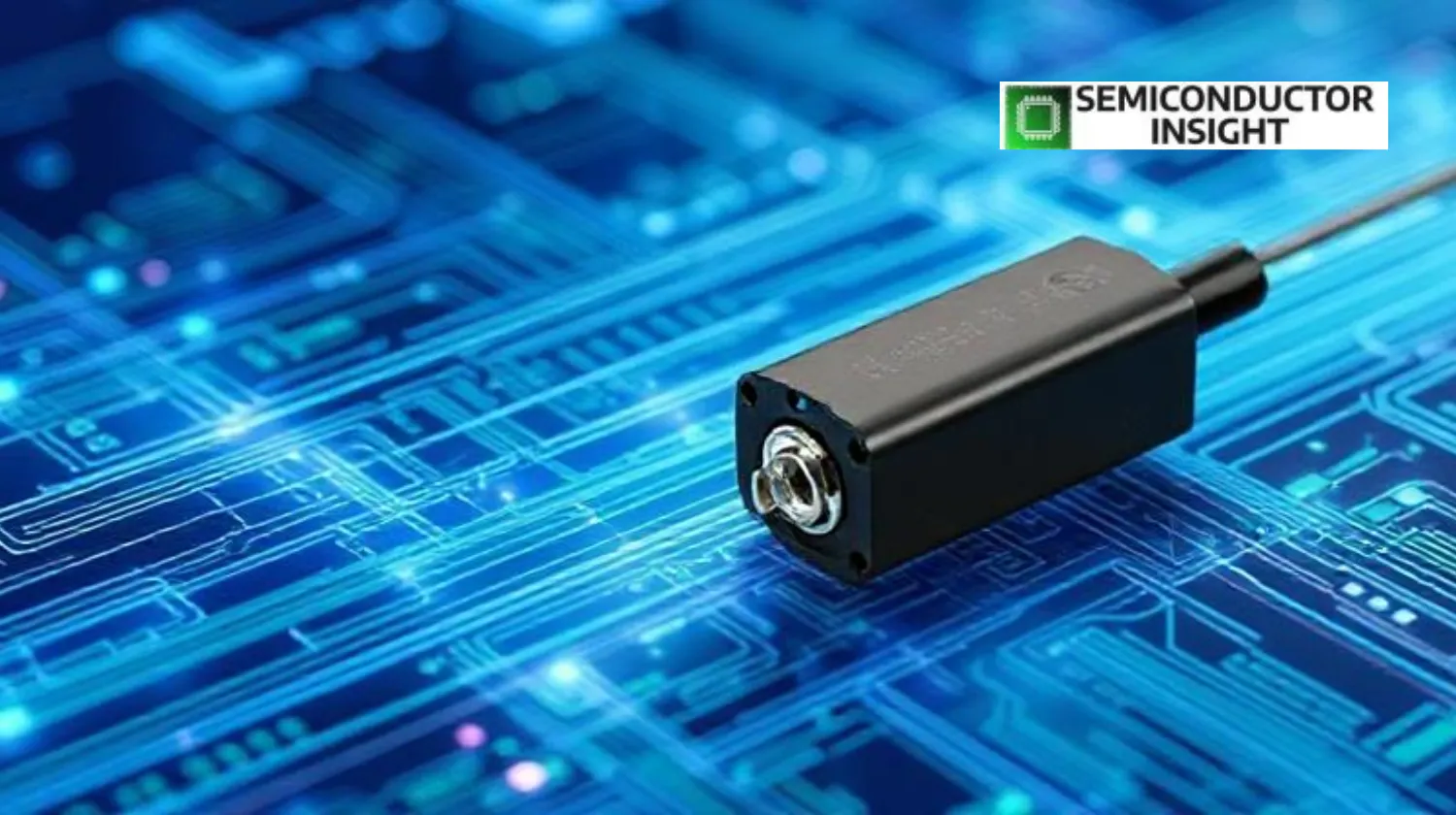
Which Companies Are Leading the Capacitive Linear Encoder Industry?
Capacitive Linear Encoder Industry Overview
Capacitive linear encoders are precision measurement devices that determine linear position by detecting variations in capacitance. Unlike optical encoders, they are highly resistant to contaminants such as dust and oil, making them ideal for harsh industrial environments. These encoders play a crucial role in industries that require high accuracy, including CNC machining, semiconductor manufacturing, robotics, and medical devices. As automation and precision control become more critical in industrial applications, the demand for capacitive linear encoders continues to rise.
Capacitive Linear Encoder Industry Market Analysis
The global linear encoder market has experienced significant growth due to advancements in industrial automation and the adoption of smart manufacturing technologies. In 2022, the market was valued at approximately $3.2 billion and is projected to reach $5.1 billion by 2030, growing at a Compound Annual Growth Rate (CAGR) of 5.8%. Factors such as the expansion of Industry 4.0, the demand for high-precision manufacturing, and the rise of autonomous systems in various industries are dri
Companies Leading the Capacitive Linear Encoder Industry
Several companies are at the forefront of capacitive linear encoder technology, offering innovative solutions to enhance precision and efficiency:
- KappaSense: Founded in 2012, KappaSense specializes in absolute linear capacitive encoders designed to address challenges in modern motion applications. Their products, such as the Incremental/Absolute Linear Encoder and the FREEe™ Cable-less Readhead, offer high precision and flexibility for various industries.
- Pepperl+Fuchs: Established in 1945, this German company manufactures industrial sensors, including capacitive encoders. Known for their durability and precision, Pepperl+Fuchs’ products are widely used in automation and motion control systems.
- Heidenhain: With a history dating back to 1889, Heidenhain produces high-accuracy linear encoders used in machine tools, semiconductor equipment, and automation systems. Their encoders are recognized for their precision and reliability in industrial applications.
- FRABA (POSITAL): Under its brand POSITAL, FRABA designs and markets position and motion sensors, including capacitive linear encoders. Their products serve industries such as manufacturing, robotics, and energy, focusing on innovation and high-performance design.
- SICK AG: A global leader in sensor technology, SICK AG provides linear encoders for industrial automation. Their solutions enhance accuracy in motion control and positioning applications across multiple sectors.
Capacitive Linear Encoder Industry Key Applications
Machine Tools
Capacitive linear encoders provide high-precision feedback for CNC machines, improving machining accuracy and efficiency in metalworking and manufacturing.
Semiconductor Manufacturing
These encoders are used in wafer steppers and semiconductor fabrication equipment to ensure precise positioning, which is crucial for the production of microchips and electronic components.
Robotics
Robotic systems require precise motion control for accurate and repeatable movements. Capacitive linear encoders enhance positioning in robotic arms and automation systems.
Medical Devices
Encoders are critical in medical imaging equipment and surgical robots, where accurate positioning is essential for safety and diagnostic precision.
Metrology Instruments
Instruments such as coordinate measuring machines (CMMs) rely on capacitive linear encoders for high-resolution measurements, ensuring quality control in manufacturing.
Capacitive Linear Encoder Industry Emerging Trends
Integration with IoT
Encoders are increasingly being integrated with IoT platforms, enabling real-time data collection and predictive maintenance for industrial automation.
Miniaturization
Smaller, more compact encoders are being developed to fit modern devices, ensuring precise measurements without increasing the overall system size.
Enhanced Environmental Resistance
Manufacturers are designing encoders with improved resistance to extreme temperatures, humidity, and contaminants, making them suitable for rugged environments.
Wireless Connectivity
Wireless capacitive encoders eliminate complex cabling requirements, making installation and integration easier while maintaining high precision.
Energy Efficiency
As industries focus on sustainability, new encoder models are being developed with reduced power consumption to align with energy-efficient manufacturing initiatives.
Key Players in the Capacitive Linear Encoder Industry
- KappaSense: Specializes in absolute linear capacitive encoders designed for high-precision motion applications.
- Pepperl+Fuchs: A leading provider of industrial sensors, including capacitive encoders, with a strong focus on automation.
- Heidenhain: Offers high-accuracy linear encoders widely used in machine tools and semiconductor manufacturing.
- FRABA (POSITAL): Designs and markets position and motion sensors, serving industries such as robotics and energy.
- SICK AG: Known for advanced sensor solutions, including capacitive linear encoders for automation and motion control.
Capacitive Linear Encoder Industry Future Growth Opportunities
Industry 4.0 and Smart Manufacturing
As industries transition to smart manufacturing, the demand for precise motion feedback systems like capacitive linear encoders is expected to increase.
Renewable Energy Sector
Encoders play a vital role in the accurate positioning of solar panels and wind turbines, driving demand in the renewable energy market.
Automotive Industry
The rise of electric and autonomous vehicles requires precise motion control systems, boosting the need for advanced linear encoders.
Aerospace and Defense
High-precision encoders are essential for aerospace applications, including satellite positioning, navigation systems, and defense technologies.
Emerging Markets
Industrial growth in developing regions is increasing the adoption of automation and precision machinery, creating opportunities for capacitive linear encoder manufacturers.
Conclusion
The capacitive linear encoder industry is expanding as industries seek high-precision measurement and motion control solutions. Companies such as KappaSense, Pepperl+Fuchs, Heidenhain, FRABA, and SICK AG are leading innovation in this space, providing advanced encoder technologies for a wide range of applications. As automation, IoT integration, and precision engineering continue to evolve, the demand for capacitive linear encoders will remain strong, driving future market growth.
FAQs
Q: What are the key driving factors and opportunities in the capacitive linear encoder industry?
A: The main drivers include automation in manufacturing, Industry 4.0 adoption, and the demand for high-precision motion control. Opportunities exist in smart factories, renewable energy, and the automotive sector.
Q: Which region is projected to have the largest market share for capacitive linear encoders?
A: Asia-Pacific dominates due to strong semiconductor manufacturing, industrial automation growth, and increasing demand for precision machinery.
Q: Who are the top players in the global capacitive linear encoder industry?
A: Leading companies include KappaSense, Pepperl+Fuchs, Heidenhain, FRABA (POSITAL), and SICK AG, known for their innovative encoder solutions.
Q: What are the latest technological advancements in capacitive linear encoders?
A: Recent innovations include IoT-enabled encoders, wireless connectivity, miniaturization, enhanced environmental resistance, and energy-efficient designs.
Q: How do capacitive linear encoders impact industrial automation?
A: They provide precise position feedback, improving efficiency, accuracy, and reliability in manufacturing, robotics, and semiconductor production.

Shubham K
Shubham is a seasoned market researcher specializing in the semiconductor industry, providing in-depth analysis on emerging trends, technological advancements, and market dynamics. With extensive experience in semiconductor manufacturing, supply chain analysis, and competitive intelligence, Shubham delivers actionable insights that help businesses navigate the evolving landscape of chip design, fabrication, and applications. His expertise spans key areas such as AI-driven semiconductors, advanced packaging, memory technologies, and foundry trends. At SemiconductorInsight, Shubham combines data-driven research with strategic foresight, offering thought leadership that empowers industry professionals, investors, and technology innovators to make informed decisions.
Comments (0)