
High Voltage Radial Thermal Fuse Market and Its Impact on EV Power Systems
High Voltage Radial Thermal Fuse Market plays a critical role in protecting power semiconductor modules and high-voltage systems from industrial inverters to electric vehicle powertrains by interrupting overheating faults before they damage sensitive components. Unlike simple overcurrent devices, these thermal fuses are engineered to respond to temperature thresholds resulting from fault currents or environmental stress.
Semiconductor Application Landscape and Functional Mechanics
In semiconductor circuits, thermal management and fault protection are essential because power devices such as IGBTs, protection thyristors, and diodes are highly vulnerable to thermal runaway and junction degradation. Efficient protection devices must operate not just on current levels but temperature dynamics within the system.
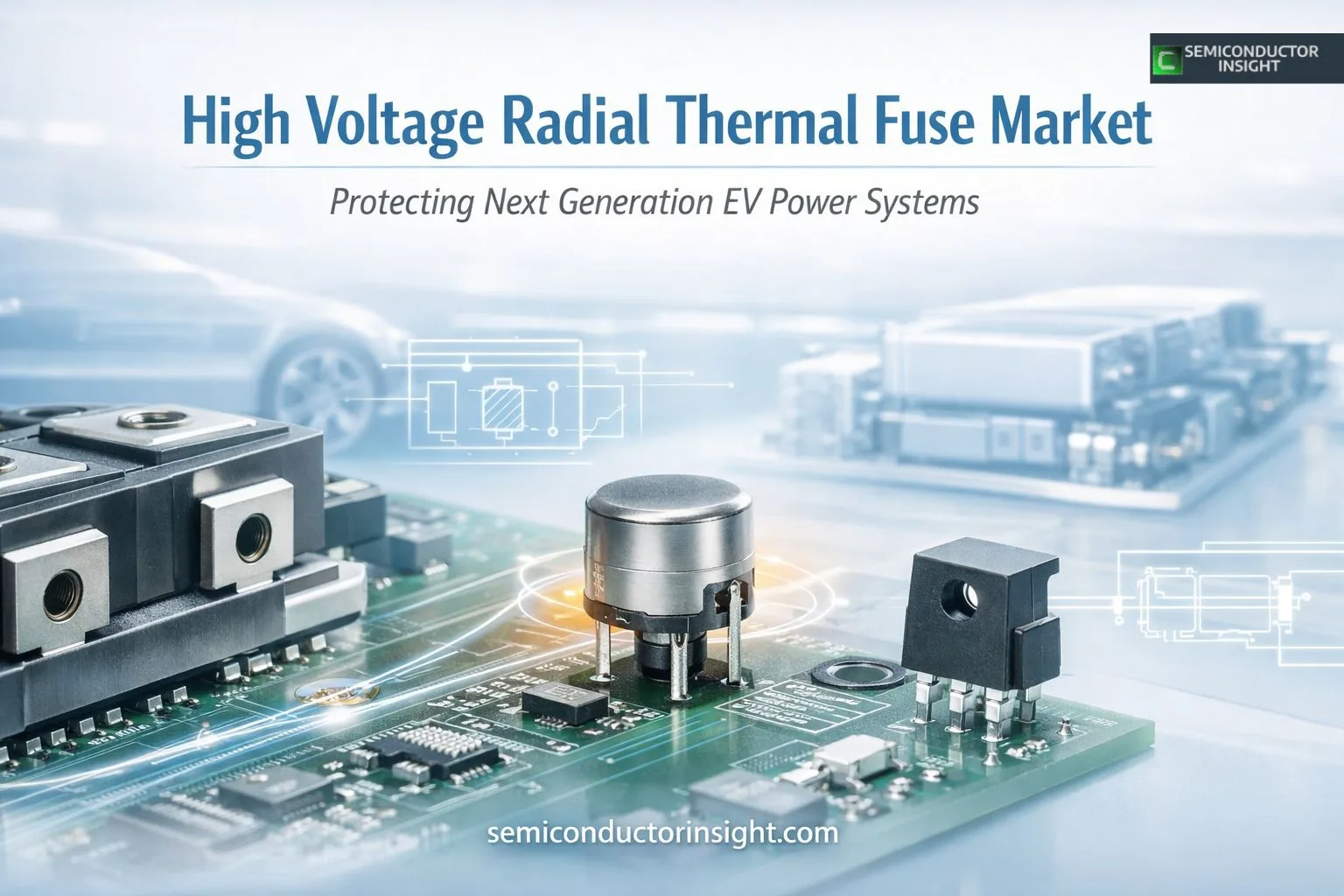
High voltage radial thermal fuses are designed as one-shot thermal cut-off devices with precise temperature activation profiles. Their radial design allows integration onto printed circuit boards next to high-heat components. Upon reaching their rated temperature, the fuse permanently opens, preventing catastrophic overheating events that could destroy semiconductor assemblies.
Compared with traditional overcurrent protection fuses, these thermal devices react to heat exposure rather than just electrical current, making them uniquely suited for thermal event mitigation in densely packed semiconductor packages.
Regulatory Standards Influencing Fuse Selection
Technical standards play a key role in how fuse protection is specified for semiconductor contexts:
- IEC 60269-4 defines requirements for fuse-links used in the protection of semiconductor devices, standardizing time-current characteristics and ensuring predictable operation across manufacturers.
- Underwriters Laboratories (UL) and other certification bodies also specify performance and safety guidelines for fuses used in sensitive power electronic systems.
These standards ensure that fuses in the high voltage arena can reliably protect circuits operating at energy levels where failure could lead to thermal damage, fire risk, or safety shutdowns.
Comparison with Other Protection Components
- Radial Thermal Fuses vs Standard High-Voltage Fuses
- Radial thermal fuses are specifically engineered to respond to temperature changes, not just overcurrent alone.
- Traditional high-voltage fuses interrupt current based on overcurrent thresholds and are suitable for broader electrical protection tasks.
- Thermal Fuses Resettable Devices
- Thermal fuses are single-use, offering permanent shutdown when triggered often required for irreversible fault conditions.
- Resettable devices such as PPTC fuses provide self-resetting functionality but may not be appropriate for high-energy industrial applications where a permanent cut off protects nearby semiconductor chips.
Let’s Get to Know Some Major Case Studies and Engineering Evidence
Although specialized case studies in magazines and technical papers on radial thermal fuses are limited, research on related fuse thermal models and protection strategies supports best practices:
- A numerical thermal analysis of fast fuses for power electronics illustrates how thermal behaviour modelling is used to validate protection designs, ensuring components comply with international safety norms and operate within safe temperatures during faults.
- Academic studies on high-voltage etching fuses for semiconductor protection highlight the performance requirements for protecting diodes and rectifiers under high stress events.
These investigations demonstrate a continued engineering focus on balancing responsiveness, thermal performance, and system reliability in protective components embedded within high-voltage semiconductor environments.
At Last before Ending, Don’t Forget to Browse Our Recent Exclusive Report for Detailed Insights: https://semiconductorinsight.com/report/high-voltage-radial-thermal-fuse-market/
High Voltage Radial Thermal Fuse Market is not just a passive segment of the broader electronics protection ecosystem it is a critical enabler of semiconductor reliability and safety. From engineering standards like IEC 60269 to advanced thermal analysis and real-world product integration, the market continues to evolve in response to the demands of high-voltage power systems, electric vehicles, industrial automation, and beyond. Combining rugged thermal cut-off behaviour with design innovation, these fuses are increasingly relevant in de-risking hot spots and protecting next-generation semiconductor technologies.

Comments (0)