
MARKET INSIGHTS
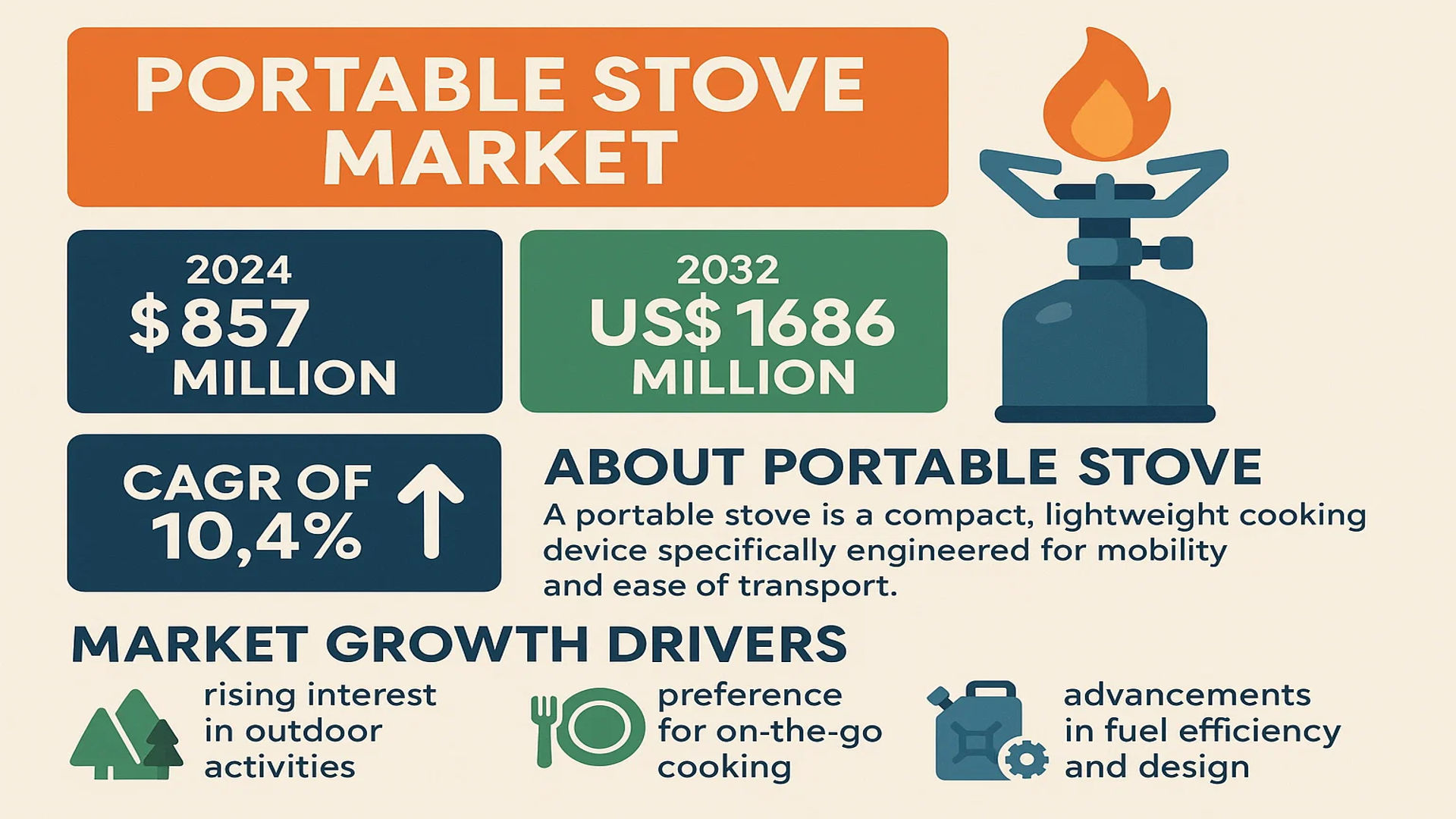
The global Portable Stove Market was valued at 857 million in 2024 and is projected to reach US$ 1686 million by 2032, at a CAGR of 10.4% during the forecast period.
A portable stove is a compact, lightweight cooking device specifically engineered for mobility and ease of transport. These stoves are essential for activities such as camping, picnicking, backpacking, and other scenarios in remote locations where a reliable and easily transportable means of cooking or heating is required.
The market is experiencing robust growth driven by several key factors, including a rising global interest in outdoor recreational activities and an increasing consumer preference for convenient, on-the-go cooking solutions. Furthermore, advancements in fuel efficiency and product design are contributing significantly to market expansion. The competitive landscape is fragmented, with the top five manufacturers collectively holding a market share exceeding 10%. Key players such as Coleman, Primus, and Iwatani operate in the market with diverse product portfolios, focusing on innovation and strategic partnerships to strengthen their positions.
MARKET DYNAMICS
MARKET DRIVERS
Rising Participation in Outdoor Activities to Fuel Market Expansion
The global portable stove market is experiencing robust growth, primarily driven by increasing participation in outdoor recreational activities such as camping, hiking, and backpacking. Over 50 million households in North America alone engage in camping activities annually, with a notable rise in first-time campers since 2020. This surge is complemented by growing interest in adventure tourism and outdoor cooking experiences. Portable stoves have become essential gear for these activities, offering convenience, reliability, and versatility in remote locations. The integration of advanced features such as wind resistance, improved fuel efficiency, and compact designs has further enhanced their appeal. Manufacturers are continuously innovating to meet the evolving demands of outdoor enthusiasts, contributing significantly to market growth.
Technological Advancements and Product Innovation to Propel Demand
Technological innovations in portable stove design and functionality are key drivers of market growth. Recent developments include the introduction of ultra-lightweight models weighing under 500 grams, making them ideal for backpacking and mountaineering. Additionally, the adoption of advanced materials such as titanium and aluminum alloys has improved durability while reducing weight. The market has also seen a shift towards multi-fuel compatibility, allowing users to operate stoves with various fuel types including propane, butane, and liquid fuels. These innovations address the diverse needs of consumers, from casual campers to serious outdoor adventurers. The continuous improvement in combustion efficiency and safety features, such as automatic shut-off mechanisms, has further boosted consumer confidence and adoption rates.
Expanding Retail Distribution and E-commerce Penetration to Enhance Market Access
The expansion of retail distribution channels, particularly through e-commerce platforms, has significantly increased market accessibility for portable stoves. Online sales of outdoor equipment have grown at an annual rate of approximately 15% over the past three years, with portable stoves being among the top-selling items. Major retailers and specialty outdoor brands have strengthened their online presence, offering detailed product information, customer reviews, and competitive pricing. This ease of access has democratized the market, allowing consumers in remote or underserved regions to purchase high-quality portable stoves. Furthermore, the growth of organized retail in emerging economies has created additional touchpoints for consumers, driving both awareness and sales.
MARKET CHALLENGES
Stringent Safety Regulations and Compliance Requirements to Impede Market Growth
The portable stove market faces significant challenges due to stringent safety regulations and compliance requirements imposed by various international and regional authorities. These regulations govern aspects such as fuel compatibility, emission standards, and product safety, necessitating extensive testing and certification processes. For instance, stoves must meet specific standards for flame stability, carbon monoxide emissions, and pressure safety, which can vary across markets. Compliance with these regulations often involves substantial investment in research, development, and testing, increasing production costs and time-to-market. Additionally, the complexity of navigating different regulatory frameworks in key markets like North America, Europe, and Asia can create barriers for manufacturers, particularly smaller players with limited resources.
Other Challenges
Supply Chain Disruptions and Raw Material Volatility
The market is susceptible to supply chain disruptions and volatility in raw material prices, which can affect production timelines and cost structures. Key materials such as aluminum, stainless steel, and specialized alloys are subject to price fluctuations driven by global demand, trade policies, and geopolitical factors. Recent disruptions in logistics and transportation have further exacerbated these challenges, leading to increased lead times and higher operational costs. Manufacturers must navigate these uncertainties while maintaining product quality and competitive pricing, which can strain profitability and hinder market expansion.
Environmental Concerns and Sustainability Pressures
Growing environmental awareness and sustainability concerns present challenges for the portable stove market, particularly regarding fuel types and emissions. There is increasing scrutiny over the use of fossil-based fuels and their environmental impact, driving demand for cleaner alternatives. However, developing eco-friendly and efficient fuel options requires significant investment in research and development. Additionally, consumer preferences are shifting towards sustainable products, pressuring manufacturers to adopt greener practices and materials. Balancing performance, cost, and environmental considerations remains a complex challenge for industry stakeholders.
MARKET RESTRAINTS
High Product Costs and Economic Sensitivity to Limit Market Penetration
The portable stove market is constrained by the relatively high cost of advanced models, which can be a barrier for price-sensitive consumers. Premium portable stoves with advanced features such as integrated ignition systems, wind shields, and lightweight materials often carry price tags exceeding $200, making them less accessible to budget-conscious buyers. This economic sensitivity is particularly pronounced in emerging markets where disposable incomes are lower. Additionally, fluctuations in global economic conditions can impact consumer spending on non-essential goods like outdoor equipment. During periods of economic uncertainty, demand for portable stoves may decline as consumers prioritize essential expenditures, thereby restraining market growth.
Limited Awareness and Adoption in Developing Regions to Hinder Market Expansion
Market growth is further restrained by limited awareness and adoption of portable stoves in developing regions, where outdoor recreational activities are less prevalent. In many parts of Asia, Africa, and Latin America, camping and backpacking culture is still nascent, resulting in lower demand for portable cooking solutions. Additionally, lack of access to specialized retail outlets and limited e-commerce infrastructure in these regions reduces product visibility and availability. Educational and promotional efforts are required to cultivate interest in outdoor activities and demonstrate the benefits of portable stoves, which involves significant investment and time. Until these markets mature, their contribution to global growth will remain limited.
Competition from Alternative Cooking Solutions to Restrain Market Growth
The portable stove market faces competition from alternative cooking solutions such as open fires, built-in campfire pits, and simple grilling setups, which are often perceived as more economical or traditional. In many camping scenarios, especially in established campgrounds, these alternatives are readily available and require no additional equipment investment. Additionally, the rise of all-in-one outdoor cooking systems that integrate stoves with other features like grills or food preparation areas presents a competitive challenge. Consumers may opt for these multifunctional solutions instead of dedicated portable stoves, particularly if they offer greater versatility or value. This competition can dampen demand for standalone portable stoves, especially among casual users.
MARKET OPPORTUNITIES
Growing Popularity of Van Life and Overlanding to Unlock New Growth Avenues
The rising trend of van life and overlanding presents significant opportunities for the portable stove market. These lifestyles emphasize mobility, self-sufficiency, and outdoor living, driving demand for compact and efficient cooking solutions. The van life community has grown substantially, with social media platforms showcasing customized vehicles and outdoor experiences, inspiring others to adopt similar lifestyles. Portable stoves are essential for these enthusiasts, offering reliable cooking capabilities in diverse environments. Manufacturers can capitalize on this trend by developing products tailored to the specific needs of van lifers and overlanders, such as stoves with space-saving designs, quick setup features, and compatibility with vehicle-based power systems.
Expansion into Emerging Markets with Rising Middle-Class Populations to Offer Lucrative Potential
Emerging markets in Asia, Latin America, and Africa offer substantial growth opportunities driven by rising disposable incomes, urbanization, and increasing interest in outdoor activities. The middle-class population in these regions is expanding rapidly, creating a new consumer base for recreational products. As more people engage in camping, picnicking, and adventure travel, demand for portable stoves is expected to rise. Manufacturers can tap into these markets by offering products tailored to local preferences, such as stoves compatible with regionally available fuels or designed for specific culinary practices. Strategic partnerships with local distributors and retailers can facilitate market entry and brand establishment.
Development of Smart and Connected Portable Stoves to Create New Market Segments
The integration of smart technology and connectivity features in portable stoves represents a promising opportunity for market differentiation and growth. Innovations such as Bluetooth-enabled temperature control, mobile app integration for recipe guidance, and safety alerts can enhance user experience and product appeal. These features cater to tech-savvy consumers and align with the broader trend of connected devices in outdoor gear. Additionally, smart stoves can provide valuable data on fuel consumption and cooking patterns, helping users optimize their outdoor cooking experiences. By pioneering these advancements, manufacturers can create premium product categories and capture value-conscious consumers seeking enhanced functionality and convenience.
PORTABLE STOVE MARKET TRENDS
Rising Popularity of Outdoor Recreation to Emerge as a Dominant Trend
The global portable stove market is experiencing significant growth, largely driven by the escalating popularity of outdoor recreational activities. The outdoor recreation economy has been expanding steadily, with participation rates in activities such as camping, backpacking, and picnicking showing a marked increase. This surge is attributed to a growing consumer desire for experiential travel and connection with nature, a trend that accelerated post-pandemic. This heightened engagement directly fuels demand for portable cooking solutions, as these stoves are essential gear for preparing meals in remote locations. Furthermore, the development of more lightweight, compact, and efficient stove designs is making them more accessible and appealing to a broader range of consumers, from hardcore backpackers to casual family campers. The integration of advanced materials has led to products that are not only easier to carry but also more durable and reliable under various environmental conditions.
Other Trends
Technological Innovation and Fuel Efficiency
Manufacturers are heavily investing in research and development to introduce stoves with enhanced fuel efficiency and innovative ignition systems. The shift towards cleaner-burning fuels like isobutane-propane blends and the refinement of piezoelectric ignition mechanisms have significantly improved user convenience and safety. These advancements reduce fuel consumption by an estimated 15-20% compared to older models, which is a critical factor for extended backpacking trips where every ounce matters. Moreover, the market is seeing a rise in multi-fuel compatibility, allowing a single stove unit to operate efficiently on various fuel types available in different geographic regions. This technological evolution is not just about performance; it also addresses growing environmental concerns by minimizing fuel waste and emissions, aligning with the values of the modern, eco-conscious outdoor enthusiast.
Expansion of E-commerce and Direct-to-Consumer Sales Channels
The expansion of e-commerce platforms has dramatically altered the retail landscape for portable stoves, providing consumers with unparalleled access to a wide array of products and detailed comparative information. Online sales channels have grown to account for over 40% of all retail sales in this category, enabling smaller brands to reach a global audience and compete effectively with established players. This digital shift facilitates easier price comparison, access to customer reviews, and detailed product specifications, empowering consumers to make more informed purchasing decisions. Additionally, many brands are adopting direct-to-consumer models, which allows them to gather valuable first-party data on customer preferences, control brand messaging, and offer competitive pricing by eliminating intermediary markups. This trend is fostering a more dynamic and responsive market where innovation and customer feedback are directly linked.
COMPETITIVE LANDSCAPE
Key Industry Players
Innovation and Strategic Expansion Drive Market Leadership
The global portable stove market exhibits a fragmented yet dynamic competitive structure, characterized by a mix of established multinational corporations and agile regional specialists. This landscape is driven by intense competition on product features, fuel efficiency, portability, and price, with companies vying for dominance in key regions like North America and Europe, which collectively account for over 70% of the market share.
Coleman Company, Inc. stands as a preeminent global leader, a position fortified by its century-old brand heritage, extensive distribution network, and diverse product portfolio catering to both casual campers and serious outdoor enthusiasts. Their market strength is particularly evident in North America, where they command a significant portion of retail shelf space. Similarly, Primus, with its roots in Sweden, leverages its reputation for engineering reliable, high-performance stoves to maintain a stronghold in the European market and among professional users worldwide.
The competitive intensity is further amplified by specialized players focusing on technological innovation. Jetboil, for instance, has carved out a substantial niche by pioneering integrated cooking systems, which are highly favored in the backpacking segment for their speed and fuel efficiency. Their growth is directly attributed to these patented innovations that address specific consumer pain points. Meanwhile, Asian manufacturers like Iwatani Corporation (Japan) and Maxsum (China) compete effectively on a global scale through cost leadership and high-volume manufacturing capabilities, often supplying private-label products to retailers and other brands.
Furthermore, companies are actively engaging in strategic initiatives to bolster their positions. This includes new product launches featuring improved sustainability, such as models compatible with renewable fuel sources, and geographical expansions into emerging markets in Asia-Pacific and South America. Mergers, acquisitions, and partnerships are also anticipated to reshape the competitive hierarchy, as larger entities seek to acquire innovative technologies or gain access to new distribution channels.
List of Key Portable Stove Companies Profiled
- Coleman Company, Inc. (U.S.)
- Primus (Sweden)
- Iwatani Corporation (Japan)
- Maxsum (China)
- Camp Chef, Inc. (U.S.)
- Jinyu (China)
- Suntouch (China)
- Jetboil (U.S.)
- MalloMe (U.S.)
- Masterbuilt (U.S.)
- Stansport (U.S.)
Segment Analysis:
By Type
Single-burner Stove Segment Dominates the Market Due to Superior Portability and High Adoption in Backpacking
The market is segmented based on type into:
- Single-burner Stove
- Multi-burner Stove
By Application
Outdoor Appliance Segment Leads Due to Rising Participation in Recreational Activities and Camping
The market is segmented based on application into:
- Outdoor Appliance
- Home Appliance
- Others
By Fuel Type
Liquid Fuel Stoves Gain Traction for High-Altitude and Extreme Weather Cooking Applications
The market is segmented based on fuel type into:
- Liquid Fuel Stoves
- Subtypes: White gas, kerosene, diesel, and others
- Canister Fuel Stoves
- Subtypes: Butane, propane, isobutane, and others
- Solid Fuel Stoves
- Subtypes: Wood, biomass pellets, hexamine tablets, and others
- Alcohol Stoves
By Distribution Channel
Online Retail Segment Exhibits Strong Growth Driven by E-commerce Expansion and Consumer Convenience
The market is segmented based on distribution channel into:
- Online Retail
- Offline Retail
- Subtypes: Specialty stores, hypermarkets & supermarkets, and others
Regional Analysis: Portable Stove Market
North America
North America is the largest market for portable stoves, holding over 30% of the global market share. This dominance is driven by a strong outdoor recreation culture, high disposable income, and widespread participation in activities like camping, hiking, and tailgating. The United States is the primary contributor, with major brands like Coleman and Camp Chef headquartered there. Recent trends show a growing consumer preference for versatile, multi-fuel stoves that offer reliability in diverse conditions. However, stringent safety regulations from bodies like the Consumer Product Safety Commission (CPSC) and a push for more environmentally friendly products are shaping innovation. While propane remains the dominant fuel type due to its convenience, there is increasing interest in cleaner-burning alternatives like isobutane-propane blends and even electric induction models for car camping, reflecting a broader market shift towards sustainability and user safety.
Europe
Europe, along with Japan, collectively accounts for over 40% of the global portable stove market. The region is characterized by a highly developed outdoor culture, particularly in Nordic countries, the UK, and Germany, where activities like trekking and cycling holidays are immensely popular. European consumers are often early adopters of advanced, lightweight, and technically sophisticated products, driving demand for high-performance backpacking stoves from brands like Primus and Jetboil. Furthermore, strict environmental regulations and a strong societal focus on sustainability are accelerating the adoption of stoves with higher fuel efficiency and lower emissions. The market is also seeing growth in the use of portable stoves for home emergency preparedness and occasional outdoor dining, expanding the application beyond traditional hardcore camping. The competitive landscape is intense, with a focus on product durability, compact design, and eco-credentials.
Asia-Pacific
The Asia-Pacific region represents a high-growth potential market, largely fueled by expanding middle-class populations, increasing urbanization, and a growing interest in domestic tourism and outdoor leisure activities. China is the manufacturing hub for many global brands and also a massive consumption market, with local players like Maxsum and Jinyu holding significant market share. While cost sensitivity makes single-burner, basic models highly prevalent, there is a noticeable and rapid shift towards more premium, feature-rich products as disposable incomes rise. Japan is a mature and sophisticated sub-market within APAC, with consumers showing a strong preference for compact, highly efficient, and safe designs, often from domestic leaders like Iwatani. The diversity of the region means market dynamics vary greatly, from the advanced Japanese market to the emerging and volume-driven markets in Southeast Asia and India.
South America
The portable stove market in South America is emerging, presenting significant long-term opportunities driven by the continent’s vast and diverse natural landscapes that attract adventure tourism. Countries like Brazil and Argentina are the primary markets. Growth is fueled by a rising interest in outdoor activities and camping among the urban population. However, market expansion is tempered by economic volatility, which affects consumer purchasing power and can lead to a higher preference for affordable, entry-level products. The distribution networks are also less developed compared to North America or Europe, which can limit product availability in remote areas. Despite these challenges, the fundamental drivers of a youthful population and growing tourism infrastructure suggest a positive growth trajectory for the region.
Middle East & Africa
The market in the Middle East & Africa is nascent but developing, with growth primarily concentrated in more economically stable nations and urban centers. The unique regional demand is often linked to specific use cases such as desert camping, outdoor festivities, and as a necessary appliance in areas with unreliable energy infrastructure. In the Middle East, countries like the UAE and Saudi Arabia show demand driven by luxury desert safari experiences and a growing expatriate community engaged in outdoor recreation. In Africa, the market is largely undeveloped but holds potential, particularly in South Africa and other nations with a growing middle class. Progress across the entire region is challenged by limited retail distribution, low consumer awareness, and economic constraints, but the long-term potential remains as urbanization and disposable incomes gradually increase.
Report Scope
This market research report provides a comprehensive analysis of the global and regional Portable Stove markets, covering the forecast period 2025–2032. It offers detailed insights into market dynamics, technological advancements, competitive landscape, and key trends shaping the industry.
Key focus areas of the report include:
- Market Size & Forecast: Historical data and future projections for revenue, unit shipments, and market value across major regions and segments.
- Segmentation Analysis: Detailed breakdown by product type, technology, application, and end-user industry to identify high-growth segments and investment opportunities.
- Regional Outlook: Insights into market performance across North America, Europe, Asia-Pacific, Latin America, and the Middle East & Africa, including country-level analysis where relevant.
- Competitive Landscape: Profiles of leading market participants, including their product offerings, R&D focus, manufacturing capacity, pricing strategies, and recent developments such as mergers, acquisitions, and partnerships.
- Technology Trends & Innovation: Assessment of emerging technologies, integration of smart features, fuel efficiency improvements, and evolving industry standards.
- Market Drivers & Restraints: Evaluation of factors driving market growth along with challenges, supply chain constraints, regulatory issues, and market-entry barriers.
- Stakeholder Analysis: Insights for component suppliers, OEMs, system integrators, investors, and policymakers regarding the evolving ecosystem and strategic opportunities.
Primary and secondary research methods are employed, including interviews with industry experts, data from verified sources, and real-time market intelligence to ensure the accuracy and reliability of the insights presented.
FREQUENTLY ASKED QUESTIONS:
What is the current market size of Global Portable Stove Market?
-> Portable Stove Market was valued at 857 million in 2024 and is projected to reach US$ 1686 million by 2032, at a CAGR of 10.4% during the forecast period.
Which key companies operate in Global Portable Stove Market?
-> Key players include Coleman, Primus, Iwatani, Maxsum, and Camp Chef, among others.
What are the key growth drivers?
-> Key growth drivers include rising participation in outdoor recreational activities, growth in camping and backpacking tourism, and increasing demand for portable cooking solutions in emergency preparedness.
Which region dominates the market?
-> North America is the largest market with over 30% share, followed by Europe and Japan collectively holding over 40% market share.
What are the emerging trends?
-> Emerging trends include development of ultra-lightweight models, integration of renewable energy sources, smart temperature control features, and eco-friendly fuel alternatives.

Get Sample Report PDF for Exclusive Insights
Report Sample Includes
- Table of Contents
- List of Tables & Figures
- Charts, Research Methodology, and more...
 Download Sample Report PDF