MARKET INSIGHTS
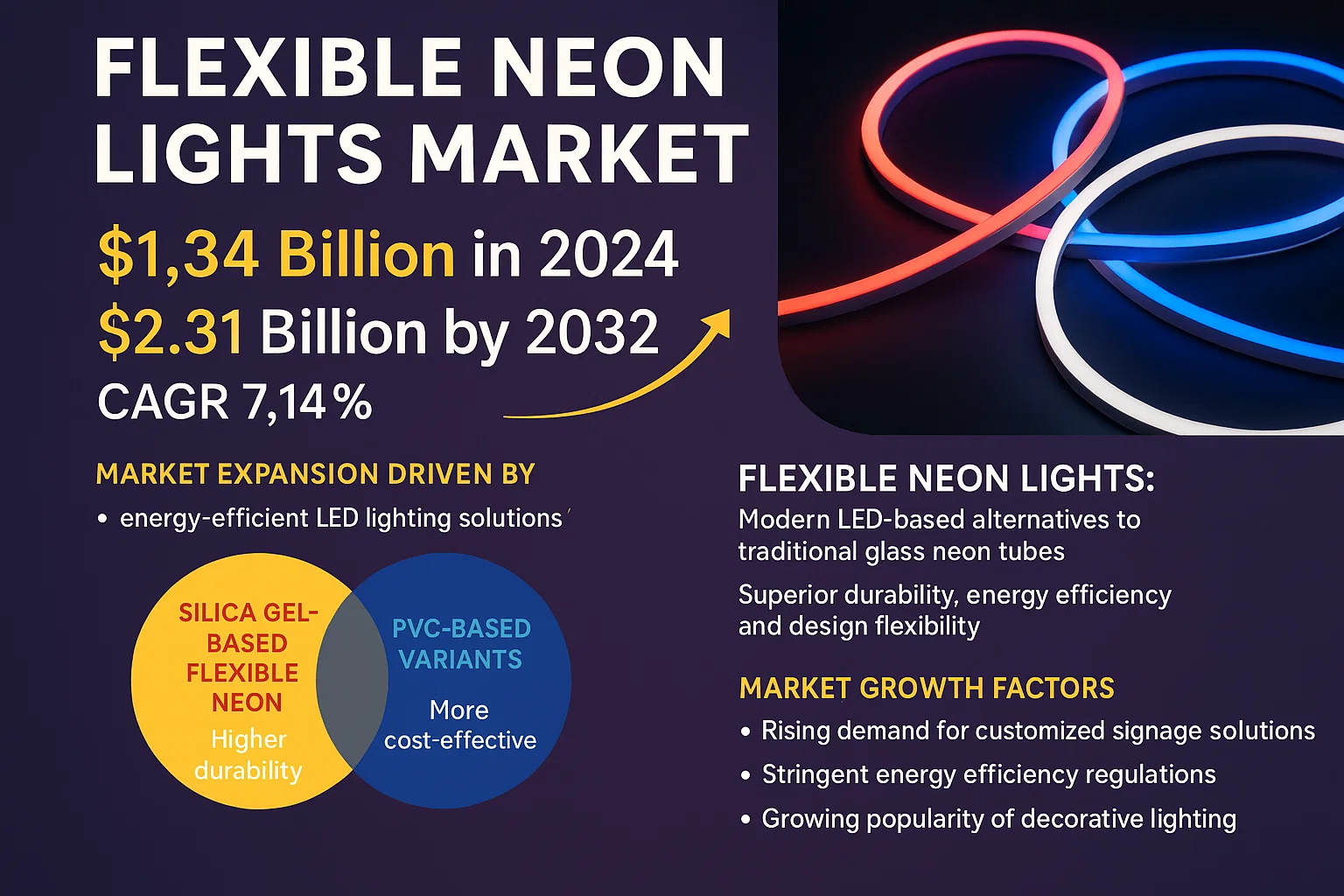
The global Flexible Neon Lights Market was valued at US$ 1.34 billion in 2024 and is projected to reach US$ 2.31 billion by 2032, at a CAGR of 7.14% during the forecast period 2025-2032. The market expansion is primarily driven by the increasing adoption of energy-efficient LED lighting solutions across commercial and residential sectors.
Flexible neon lights are modern LED-based alternatives to traditional glass neon tubes, offering superior durability, energy efficiency, and design flexibility. These lights consist of flexible silicone or PVC tubes housing bright LED strips, capable of producing vibrant illumination while consuming up to 70% less energy than conventional neon. Key product types include silica gel-based flexible neon (offering higher durability) and PVC-based variants (more cost-effective).
The market growth is fueled by several factors including rising demand for customized signage solutions in retail and hospitality sectors, stringent energy efficiency regulations worldwide, and the growing popularity of decorative lighting in residential applications. The Asia-Pacific region currently dominates the market with over 42% revenue share in 2023, attributed to rapid urbanization and booming construction activities in emerging economies. Recent technological advancements in LED brightness and color options are further expanding application possibilities beyond traditional signage to architectural lighting and artistic installations.
MARKET DYNAMICS
MARKET DRIVERS
Rising Popularity of Energy-Efficient Lighting Solutions Boosts Market Growth
The global flexible neon lights market is experiencing significant growth, driven by the increasing demand for energy-efficient lighting solutions across commercial and residential sectors. With LEDs consuming up to 80% less energy than traditional neon lighting, businesses are rapidly adopting flexible neon alternatives to reduce operational costs. The superior lifespan of LED-based flexible neon lights, which can last 30,000-50,000 hours compared to 10,000-15,000 hours for conventional glass neon, is creating substantial value for end-users. Retail chains and hospitality venues are particularly drawn to these solutions as they seek to combine visual appeal with sustainability goals.
Expanding Retail and Hospitality Sectors Fuel Global Adoption
The boom in retail sector development, with over 30 million retail establishments worldwide increasingly focusing on eye-catching storefront displays, is creating unprecedented demand for flexible neon lighting solutions. The hospitality industry represents another key growth sector, with boutique hotels and themed restaurants utilizing customizable neon lighting to create distinctive brand identities. The ability to produce complex designs without the fragility of traditional glass neon positions flexible alternatives as the preferred choice for contemporary interior designers.
Urbanization and Smart City Initiatives Accelerate Market Expansion
Rapid urbanization across developing economies is driving infrastructure development that incorporates modern lighting solutions. Government-led smart city projects, particularly in Asia-Pacific and Middle Eastern markets, are specifying durable and energy-efficient signage solutions that flexible neon lights can effectively provide. The versatility of these lighting systems allows for integration with smart monitoring technologies, making them compatible with the evolving requirements of connected urban environments.
MARKET RESTRAINTS
Price Sensitivity in Emerging Markets Limits Adoption Rates
While flexible neon lights offer superior characteristics, their premium pricing remains a significant adoption barrier in price-sensitive markets. The initial investment required for LED-based flexible neon systems can be up to 40-50% higher than conventional neon alternatives, deterring small businesses and cost-conscious consumers. This price differential is particularly evident in developing regions where lighting budgets are constrained and the total cost of ownership calculations are not widely understood.
Other Restraints
Raw Material Price Volatility
The flexible neon lighting industry faces challenges from fluctuating prices of key materials including PVC, silicone, and copper wiring. These price variations stem from global supply chain disruptions and trade policy changes, forcing manufacturers to either absorb cost increases or pass them to customers—both scenarios negatively impact market competitiveness.
Perception Challenges
Some segments of the design community continue to associate traditional glass neon with higher quality and authenticity, creating perception barriers for flexible alternatives. Overcoming these entrenched preferences requires extensive education about the technological advancements in modern flexible neon systems.
MARKET CHALLENGES
Technical Limitations in Extreme Environments Pose Application Challenges
While flexible neon lights demonstrate excellent performance in controlled environments, their application in extreme conditions presents technical hurdles. Exposure to prolonged direct sunlight can accelerate material degradation, with some models showing color fading after 3-5 years of continuous outdoor use. Similarly, performance in sub-zero temperatures remains inconsistent across product ranges, limiting adoption in Northern climate markets without expensive protective housing solutions.
Other Challenges
Regulatory Compliance Complexity
The lighting industry faces evolving regulatory requirements related to energy efficiency standards, material restrictions, and disposal regulations. Navigating these diverse and sometimes conflicting regional requirements adds substantial compliance costs for manufacturers operating in global markets.
Intellectual Property Protection
The flexible neon sector experiences frequent design and technology patent disputes due to rapid innovation cycles. Smaller manufacturers often struggle with the legal costs associated with protecting their innovations or defending against infringement claims.
MARKET OPPORTUNITIES
Technological Integration Creates New Application Possibilities
The convergence of lighting and digital technologies is creating transformative opportunities for the flexible neon sector. Advanced products now incorporate IoT connectivity, enabling features like remote brightness adjustment, pattern programming, and energy consumption monitoring. This technological evolution allows flexible neon lights to serve as both decorative elements and functional components of smart building ecosystems. The potential integration with augmented reality platforms presents particularly exciting possibilities for retail and entertainment applications.
Emerging Markets Offer Significant Growth Potential
Rapid urbanization in Southeast Asia, Africa, and Latin America is driving demand for modern lighting solutions across multiple sectors. These regions present substantial opportunities for manufacturers able to develop cost-optimized product variants that balance performance and affordability. The commercial signage market in these emerging economies is projected to grow at nearly double the global average rate as retail chains expand their footprints and local businesses modernize their storefronts.
Sustainability Initiatives Drive Product Innovation
Increasing environmental regulations and corporate sustainability commitments are accelerating demand for eco-conscious lighting solutions. Manufacturers responding with products featuring recyclable materials, reduced energy consumption, and extended lifespans are gaining competitive advantage. The development of bio-based polymer alternatives to conventional PVC sheathing represents one particularly promising innovation trajectory meeting both regulatory and consumer expectations for sustainable products.
GLOBAL FLEXIBLE NEON LIGHTS MARKET TRENDS
Energy Efficiency and Customization Drive Market Adoption
The global flexible neon lights market is experiencing robust growth, primarily driven by the shift toward energy-efficient lighting solutions and the demand for highly customizable design options. Unlike traditional glass neon, LED-based flexible neon consumes up to 60-70% less energy while offering superior durability and design flexibility. The ability to bend, cut, and shape these lights into intricate designs has made them particularly attractive for commercial signage, architectural lighting, and event décor. Retailers and businesses are increasingly adopting flexible neon for eye-catching storefront displays, with the market projected to grow at a CAGR of approximately 8.5% over the next five years.
Other Trends
Rise of Smart Lighting Integration
The integration of IoT-enabled smart lighting solutions has emerged as a key trend in the flexible neon lights sector. Advanced systems now allow remote color control, brightness adjustment, and scheduling via mobile apps, enhancing both functionality and energy savings. This aligns with broader smart city initiatives, where municipalities are adopting flexible neon for urban beautification projects due to their low maintenance and long lifespan of 50,000+ hours. The hospitality industry has also embraced these innovations, with hotels and restaurants using programmable neon accents to create dynamic ambient lighting.
Expansion in Emerging Markets
While North America and Europe currently dominate market share, the fastest growth is occurring in Asia-Pacific markets, where rapid urbanization and retail sector expansion are driving demand. Countries like China, India, and Southeast Asian nations are witnessing increased adoption in both commercial and residential segments. The middle-class population’s growing disposable income has boosted decorative lighting purchases, particularly for home interiors and festive decorations. Meanwhile, Latin America shows promising growth potential as tourism and entertainment industries invest in distinctive lighting installations to enhance visitor experiences.
COMPETITIVE LANDSCAPE
Key Industry Players
Market Leaders Focus on Innovation and Geographic Expansion to Gain Competitive Edge
The global flexible neon lights market features a dynamic competitive environment with a mix of established players and emerging competitors. Neo-Neon, a China-based company, dominates the market with an estimated 18% revenue share in 2023, owing to its extensive product portfolio and strong distribution network across Asia-Pacific and North America. The company has recently expanded its production facilities to meet growing demand for customized neon signage solutions.
Jesco Lighting and SGi Lighting are other significant players, collectively accounting for approximately 23% of the market revenue. Their strength lies in technological innovation, particularly in energy-efficient LED neon solutions, and strategic partnerships with major retail chains globally. These companies have successfully leveraged the growing demand for commercial neon signage in retail spaces and entertainment venues.
Market competition is intensifying as companies invest heavily in R&D to develop advanced products. Sygns, for instance, recently launched a new line of ultra-flexible, weatherproof neon lights specifically designed for outdoor applications, gaining significant market traction in Europe and North America. Meanwhile, LED Flex Ltd has been focusing on expanding its presence in emerging markets through localized production and competitive pricing strategies.
Smaller players like Solid Apollo LED and LTECH Technology are carving out niche segments by offering specialized customization services and rapid turnaround times. The market is also witnessing increasing vertical integration, with several manufacturers establishing in-house design and installation services to provide end-to-end solutions to customers.
List of Major Flexible Neon Lights Companies Profiled
- Neo-Neon (China)
- Jesco Lighting (U.S.)
- SGi Lighting (U.K.)
- Sygns (U.S.)
- IVC Signs (U.S.)
- New Neon (Germany)
- JantecNeon (Italy)
- Solid Apollo LED (China)
- GLLS (Taiwan)
- LEDCONN (South Korea)
- LED Flex Ltd (U.K.)
- Ultra LED (U.S.)
- Surelight (China)
- LTECH Technology (China)
- Lightstec (Japan)
Segment Analysis:
By Material Type
Silica Gel Segment Leads the Market Owing to Superior Flexibility and Durability
The market is segmented based on material type into:
- Silica Gel
- Characteristics: Weather-resistant, bendable, and energy-efficient
- PVC
- Characteristics: Cost-effective, lightweight, and easy to install
- Other Materials
- Includes specialized polymers and composite materials
By Application
Commercial Applications Dominate Due to Extensive Use in Signage and Decor
The market is segmented based on application into:
- Commercial
- Sub-applications: Retail signage, hospitality decor, event lighting
- Household
- Sub-applications: Interior decoration, DIY projects, accent lighting
- Automotive
- Sub-applications: Vehicle customization, underglow lighting
- Others
- Includes industrial and specialty applications
By Installation Type
Surface-mounted Installations Hold Majority Share Due to Ease of Application
The market is segmented based on installation type into:
- Surface-mounted
- Recessed
- Hanging
- Others
By Power Source
AC-powered Segment Maintains Dominance for Commercial Applications
The market is segmented based on power source into:
- AC-powered
- Battery-operated
- Solar-powered
Regional Analysis: Global Flexible Neon Lights Market
North America
The North American flexible neon lights market is experiencing robust growth due to rapid urbanization, commercial infrastructure development, and the strong retail sector. The United States accounts for over 85% of regional demand, driven by the widespread adoption of LED-based neon flex in retail signage, hospitality, and architectural lighting. Stringent energy efficiency regulations, such as Energy Star certification requirements, have accelerated the shift from traditional neon to flexible LED alternatives. While commercial applications dominate, the household segment is growing with increasing consumer interest in decorative lighting. Major brands like Jesco Lighting and IVC Signs are expanding their product portfolios with customizable, energy-efficient solutions tailored to both indoor and outdoor applications. However, pricing pressures and competition from Asian manufacturers present ongoing challenges for domestic suppliers.
Europe
Europe maintains a technologically advanced flexible neon lights market, with Germany, France, and the UK collectively contributing over 60% of regional revenue. The market benefits from strict EU directives on energy efficiency and hazardous materials (RoHS compliance), favoring LED-based neon flex over traditional glass neon tubes. The commercial sector, particularly retail storefronts and hospitality venues, drives the bulk of demand, though architectural applications are growing through urban redevelopment projects. Environmental sustainability remains a key purchasing criterion, with silica gel-based flexible neon gaining popularity due to its durability and recyclability. However, market growth faces headwinds from economic uncertainties and the saturation of traditional signage markets in Western Europe. Manufacturers are responding by developing smart lighting solutions with IoT integration capabilities.
Asia-Pacific
Asia-Pacific dominates global flexible neon light production and consumption, accounting for approximately 65% of worldwide output. China serves as both the manufacturing hub and largest consumer market, where local players like Neo-Neon and Lightstec leverage extensive supply chains and cost advantages. Rapid urbanization, booming retail sectors across India and Southeast Asia, and government-led smart city initiatives are fueling double-digit market growth. While PVC-based neon flex currently leads due to cost efficiency, there’s growing momentum toward higher-quality silica gel products for premium applications. The region benefits from strong export opportunities but faces challenges around product standardization and intellectual property protection. India and Vietnam are emerging as high-growth markets, with demand expanding beyond metropolitan areas into tier-2 cities.
South America
The South American market shows promising growth potential, though it remains relatively underdeveloped compared to other regions. Brazil accounts for nearly half of regional demand, driven by retail sector expansion and increasing advertising expenditures. Flexible neon lights are gaining traction as affordable alternatives to traditional signage, particularly for small businesses. However, economic volatility and currency fluctuations create pricing instability for imported lighting solutions. Local manufacturing capacity is limited, leaving the market dependent on Asian imports. Despite these challenges, the hospitality and entertainment sectors are adopting flexible neon for decorative applications, with premium hotels and restaurants driving demand for customized lighting solutions. Market education about the long-term cost benefits of LED neon remains crucial for wider adoption.
Middle East & Africa
This region represents an emerging market for flexible neon lights, characterized by growing but uneven adoption. The UAE and Saudi Arabia lead demand through luxury retail developments and large-scale entertainment projects like NEOM in Saudi Arabia. The Dubai Expo 2020 legacy continues to influence architectural lighting trends, with flexible neon increasingly specified for its design versatility and durability in harsh climates. However, the broader African market remains constrained by limited electrification in rural areas and price sensitivity. South Africa shows steady growth in commercial applications, while North African countries are seeing increased demand through tourism infrastructure development. The market’s long-term potential is significant but requires solutions tailored to local climatic conditions and power infrastructure limitations.
Report Scope
This market research report provides a comprehensive analysis of the Global and regional Flexible Neon Lights markets, covering the forecast period 2024–2032. It offers detailed insights into market dynamics, technological advancements, competitive landscape, and key trends shaping the industry.
Key focus areas of the report include:
- Market Size & Forecast: Historical data and future projections for revenue, unit shipments, and market value across major regions and segments. The Global Flexible Neon Lights market was valued at US$ 1.34 billion in 2024 and is projected to reach US$ 2.31 billion by 2032, growing at a CAGR of 7.14%.
- Segmentation Analysis: Detailed breakdown by product type (Silica Gel, PVC, Others), application (Household, Commercial), and end-user industry to identify high-growth segments and investment opportunities.
- Regional Outlook: Insights into market performance across North America, Europe, Asia-Pacific, Latin America, and the Middle East & Africa, including country-level analysis. Asia-Pacific dominates with over 42% market share in 2023.
- Competitive Landscape: Profiles of leading market participants including Neo-Neon, Jesco Lighting, SGi Lighting, and Solid Apollo LED, covering their product portfolios, manufacturing capabilities, and strategic initiatives.
- Technology Trends & Innovation: Assessment of emerging technologies in LED lighting, smart connectivity features, and energy-efficient solutions transforming the neon lighting industry.
- Market Drivers & Restraints: Evaluation of factors driving market growth including rising demand for decorative lighting and commercial signage, along with challenges like raw material price volatility.
- Stakeholder Analysis: Strategic insights for manufacturers, distributors, retailers, and investors regarding market opportunities and competitive positioning.
The report employs both primary and secondary research methodologies, incorporating data from industry associations, company financial reports, and proprietary databases to ensure accuracy and reliability.
FREQUENTLY ASKED QUESTIONS:
What is the current market size of Global Flexible Neon Lights Market?
-> Flexible Neon Lights Market was valued at US$ 1.34 billion in 2024 and is projected to reach US$ 2.31 billion by 2032, at a CAGR of 7.14% during the forecast period 2025-2032.
Which key companies operate in Global Flexible Neon Lights Market?
-> Key players include Neo-Neon, Jesco Lighting, SGi Lighting, Solid Apollo LED, LEDCONN, and IVC Signs, among others.
What are the key growth drivers?
-> Key growth drivers include increasing demand for energy-efficient lighting, rising commercial signage applications, and growing adoption in architectural lighting.
Which region dominates the market?
-> Asia-Pacific holds the largest market share (42% in 2023), driven by rapid urbanization and retail sector growth in China and India.
What are the emerging trends?
-> Emerging trends include smart connected neon lights, customizable RGB options, and eco-friendly materials in product development.

Get Sample Report PDF for Exclusive Insights
Report Sample Includes
- Table of Contents
- List of Tables & Figures
- Charts, Research Methodology, and more...
 Download Sample Report PDF