CMOS mmWave Radar Chip Market Analysis:
The global CMOS mmWave Radar Chip Market was valued at 246 million in 2023 and is projected to reach US$ 487 million by 2030, at a CAGR of 9.6% during the forecast period.

CMOS mmWave Radar Chip Market Overview
CMOS Millimeter-Wave Radar Chips are advanced chips manufactured using CMOS (complementary metal oxide semiconductor) technology. These chips can:
-
Generate, receive, and process millimeter-wave signals to measure key parameters such as:
-
Distance
-
Speed
-
Angle
-
The process involves transmitting millimeter-wave signals via an antenna, receiving signals reflected from a target object, and analyzing them to gather relevant data about the object.
Key Advantages of CMOS Millimeter-Wave Radar Chips
-
High integration: Combines multiple functions in a single chip, reducing the need for external components.
-
Low cost: Manufactured with cost-effective CMOS technology.
-
Low power consumption: Ensures energy efficiency, which is crucial for portable and battery-powered applications.
These advantages make CMOS millimeter-wave radar chips suitable for a range of applications in autonomous driving, smart homes, security monitoring, and more.
Driving Factors of CMOS Millimeter-Wave Radar Chip Market
1. Popularization of Autonomous Driving Technology
-
The introduction of L3 and L4 autonomous driving vehicles has led to a significant increase in the demand for high-precision sensors.
-
As a critical component in autonomous systems, CMOS millimeter-wave radar chips play a key role in ensuring the safety and reliability of autonomous vehicles.
2. Development of Intelligent Transportation Systems
-
Millimeter-wave radar enhances the performance of vehicle-road cooperative systems, which are essential for improving transportation efficiency and safety.
-
As intelligent transportation systems (ITS) evolve, the demand for these radar chips continues to rise, supporting smoother traffic flow and better safety measures.
3. Increased Demand for Smart Home and Security Monitoring
-
Millimeter-wave radar is particularly effective for human body sensing detection, including fall detection and alarm systems, making it a vital component for smart homes and healthcare security.
-
The growing smart home and security monitoring market fuels the demand for CMOS millimeter-wave radar chips.
4. Policy Support and Standard Formulation
-
Governments worldwide have introduced policies to support millimeter-wave radar technology and formulated industry standards.
-
These regulations provide a stable framework for the standardized development of the CMOS millimeter-wave radar chip market, encouraging growth and adoption across industries.
5. Technological Progress and Cost Reduction
-
Continuous advancements in CMOS technology have led to improvements in chip performance.
-
As the cost of manufacturing reduces, the price of CMOS millimeter-wave radar chips decreases, expanding their use across a wider range of applications.
Application Areas of CMOS Millimeter-Wave Radar Chips
1. Autonomous Vehicles
-
Key sensor in autonomous driving systems, helping vehicles detect obstacles, measure distances, and navigate safely in various environments.
2. Smart Homes
-
Used for human presence detection, fall detection, and activity monitoring, providing enhanced security and convenience.
3. Security Monitoring
-
Provides reliable monitoring solutions in both residential and commercial security systems, capable of detecting movement and abnormal activities.
4. Intelligent Transportation Systems (ITS)
-
Integrated into smart infrastructure for traffic management and safety, contributing to vehicle-to-infrastructure (V2I) communication systems.
Market Outlook
With continuous technological advancements, decreasing costs, and growing demand across key industries, the CMOS millimeter-wave radar chip market is poised for significant growth. The increasing applications in autonomous driving, smart home technologies, security monitoring, and intelligent transportation systems indicate a bright future for this technology in the coming years.
We have surveyed the CMOS mmWave Radar Chip manufacturers, suppliers, distributors, and industry experts on this industry, involving the sales, revenue, demand, price change, product type, recent development and plan, industry trends, drivers, challenges, obstacles, and potential risks
This report aims to provide a comprehensive presentation of the global market for CMOS mmWave Radar Chip, with both quantitative and qualitative analysis, to help readers develop business/growth strategies, assess the market competitive situation, analyze their position in the current marketplace, and make informed business decisions regarding CMOS mmWave Radar Chip. This report contains market size and forecasts of CMOS mmWave Radar Chip in global, including the following market information:
- Global CMOS mmWave Radar Chip market revenue, 2019-2024, 2025-2030, ($ millions)
- Global CMOS mmWave Radar Chip market sales, 2019-2024, 2025-2030, (K Units)
- Global top five CMOS mmWave Radar Chip companies in 2023 (%)
CMOS mmWave Radar Chip Key Market Trends :
-
Growing Integration in Autonomous Vehicles: Autonomous vehicles are increasingly incorporating CMOS mmWave radar chips for high-precision sensing. The demand for these chips is fueled by the development of L3 and L4 autonomous driving technologies, leading to greater adoption in the automotive sector.
-
Expansion in Smart Homes: CMOS mmWave radar chips are gaining traction in smart home applications, including security and health monitoring. Their ability to detect human presence and movements adds value to various smart home products.
-
Advancements in 5G and IoT: The rise of 5G and the Internet of Things (IoT) is driving the demand for high-performance radar chips. These chips enhance connectivity and support the growing need for high-speed data transmission in smart devices.
-
Cost Reduction and Technological Advancements: With continuous improvements in CMOS technology, the cost of mmWave radar chips has been decreasing. This makes them more affordable and encourages widespread adoption across different industries.
-
Government Policies Supporting Development: Various governments have introduced policies and standards that support the development of millimeter-wave radar technology. This provides a conducive environment for market growth, ensuring sustainable development and innovation.
CMOS mmWave Radar Chip Market Regional Analysis :
-
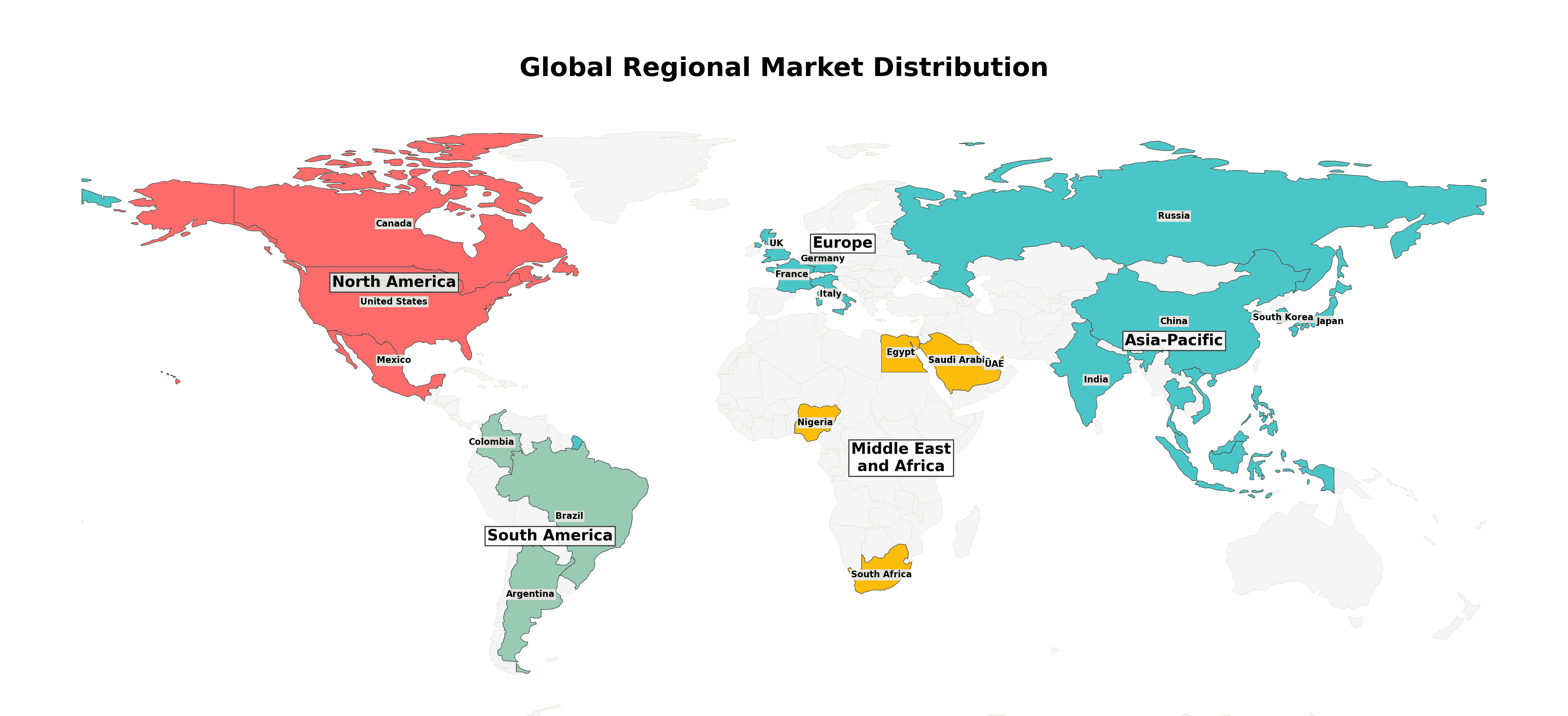
North America:
Strong demand driven by EVs, 5G infrastructure, and renewable energy, with the U.S. leading the market.
-
Europe:
Growth fueled by automotive electrification, renewable energy, and strong regulatory support, with Germany as a key player.
-
Asia-Pacific:
Dominates the market due to large-scale manufacturing in China and Japan, with growing demand from EVs, 5G, and semiconductors.
-
South America:
Emerging market, driven by renewable energy and EV adoption, with Brazil leading growth.
-
Middle East & Africa:
Gradual growth, mainly due to investments in renewable energy and EV infrastructure, with Saudi Arabia and UAE as key contributors.
Total Market by Segment:
Global CMOS mmWave Radar Chip market, by Type, 2019-2024, 2025-2030 ($ millions) & (K Units)
Global CMOS mmWave Radar Chip market segment percentages, by Type, 2023 (%)
- 60 GHz
- 77 GHz
- Other
Global CMOS mmWave Radar Chip market, by Application, 2019-2024, 2025-2030 ($ Millions) & (K Units)
Global CMOS mmWave Radar Chip market segment percentages, by Application, 2023 (%)
- Automotive
- Industrial Sector
- Other
Competitor Analysis
The report also provides analysis of leading market participants including:
- Key companies CMOS mmWave Radar Chip revenues in global market, 2019-2024 (estimated), ($ millions)
- Key companies CMOS mmWave Radar Chip revenues share in global market, 2023 (%)
- Key companies CMOS mmWave Radar Chip sales in global market, 2019-2024 (estimated), (K Units)
- Key companies CMOS mmWave Radar Chip sales share in global market, 2023 (%)
Further, the report presents profiles of competitors in the market, key players include:
- Calterah
- TI
- NXP
- Bosch Group
- Infineon Technologies
Drivers
-
Autonomous Driving Demand: The growing need for reliable sensors in autonomous vehicles is a significant driver. CMOS mmWave radar chips offer high reliability and accuracy, making them essential for autonomous driving systems.
-
Development of Smart Transportation Systems: The implementation of intelligent transportation systems (ITS) is boosting the need for radar chips to improve safety and efficiency in traffic management.
-
Increased Smart Home Applications: The expanding market for smart home technologies, including security systems and health monitoring devices, is driving demand for CMOS mmWave radar chips due to their advanced sensing capabilities.
Restraints
-
High Initial Investment: Despite cost reductions, the initial investment required for high-quality radar chips remains a barrier for some companies and startups in the industry, limiting adoption in smaller-scale projects.
-
Limited Awareness in Emerging Markets: Awareness of the advantages and potential applications of CMOS mmWave radar chips is still low in many emerging markets, hindering market expansion in these regions.
-
Technological Complexity: Developing and integrating advanced radar chip systems requires high technical expertise, which can be a challenge for some companies, especially small and medium-sized enterprises.
Opportunities
-
Expanding Automotive Sector: With the increase in demand for autonomous vehicles, there is a significant opportunity for manufacturers to supply CMOS mmWave radar chips to the automotive sector.
-
Growth in Industrial Automation: The adoption of smart factories and Industry 4.0 technologies presents a growing opportunity for CMOS mmWave radar chips in various industrial applications.
-
Rising Demand in Healthcare: Radar chips can be utilized for fall detection and patient monitoring, creating new growth opportunities in the healthcare industry as the need for remote health monitoring increases.
Challenges
-
Competition from Other Sensing Technologies: Technologies like LiDAR and optical sensors compete with radar chips for similar applications in autonomous vehicles and industrial automation, posing a challenge to CMOS mmWave radar chips.
-
Integration and Compatibility Issues: The integration of CMOS mmWave radar chips into existing systems can be complex and time-consuming, especially in mature industries where legacy systems are prevalent.
-
Regulatory Hurdles: Varying regulations across different regions can pose challenges for the widespread deployment of CMOS mmWave radar chips, particularly in the automotive and healthcare sectors.
FAQs
Q: What are the key driving factors and opportunities in the CMOS mmWave Radar Chip market?
A: The key driving factors include the growing demand for autonomous driving technology, advancements in smart transportation systems, and increased smart home applications. Opportunities lie in expanding automotive sectors, industrial automation, and healthcare.
Q: Which region is projected to have the largest market share in the CMOS mmWave Radar Chip market?
A: North America and Europe are expected to hold the largest market share due to the rapid adoption of autonomous vehicles and advanced smart home technologies in these regions.
Q: Who are the top players in the global CMOS mmWave Radar Chip market?
A: The top players in the market include major semiconductor companies specializing in radar technologies, though specific names can vary based on the latest industry developments.
Q: What are the latest technological advancements in the CMOS mmWave Radar Chip industry?
A: Technological advancements include improved chip integration, reduced power consumption, and better performance under diverse environmental conditions, allowing for wider applications across different industries.
Q: What is the current size of the global CMOS mmWave Radar Chip market?
A: The global CMOS mmWave Radar Chip market was valued at USD 246 million in 2023 and is expected to reach USD 487 million by 2030, growing at a CAGR of 9.6%.

Get Sample Report PDF for Exclusive Insights
Report Sample Includes
- Table of Contents
- List of Tables & Figures
- Charts, Research Methodology, and more...
 Download Sample Report PDF